2026 Top Types of Fire Rescue Equipment for Global Buyers
Choosing the right Fire Rescue Equipment in 2026 requires more than comparing prices or product photographs. Global buyers must consider fire behavior, responder safety, local infrastructure, and long-term maintenance. A thermal imaging camera may reveal a hidden heat source, while a compact rescue cutter can support vehicle extraction after a collision. Each tool has a specific purpose. Details matter.
This guide examines the top types of fire rescue equipment used by professional teams, industrial facilities, airports, and emergency organizations. It covers protective clothing, breathing apparatus, fire hoses, pumps, ladders, thermal cameras, extrication tools, rescue boats, communication devices, and portable lighting. Real-world performance depends on training, inspection routines, climate, storage conditions, and operator judgment. Equipment that works well in a dry warehouse may perform differently in coastal humidity or freezing weather. Conditions change.
Reliable purchasing decisions should include documented testing, manufacturer experience, user feedback, spare-parts access, and after-sales technical support. Buyers should verify applicable certifications and regional requirements before placing an order, because approval systems differ between markets. A lower initial cost can become expensive when batteries, seals, filters, or replacement parts are difficult to obtain. Some product descriptions also sound stronger than the available evidence. That deserves scrutiny. This overview offers a practical starting point, not a substitute for risk assessment or hands-on evaluation. Specifications are useful, but field trials often reveal weaknesses that brochures overlook. A careful buyer will question both the product and the purchasing assumptions behind it.
Fire Rescue Equipment: Purpose, Scope, and Basic Classification
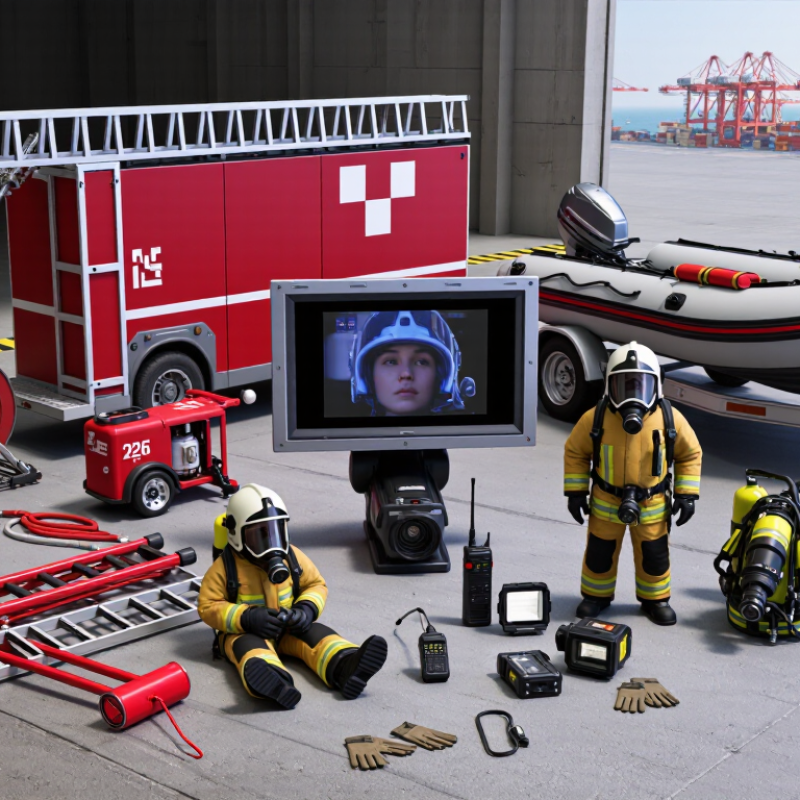
Fire rescue equipment is designed to protect lives, control hazards, and support safe evacuation during emergencies. Its purpose extends beyond extinguishing flames. Crews may need breathing protection, thermal imaging, cutting tools, water delivery systems, rescue ropes, medical kits, and communication devices. Each item should match the likely fire environment, building layout, and responder skill level.
The scope covers prevention support, first response, structural firefighting, road-traffic rescue, industrial incidents, and post-fire monitoring. In a warehouse, a thermal camera can reveal heat behind a wall. At a vehicle crash, stabilization tools and patient-care equipment become equally important. Classification makes selection clearer. Equipment is commonly grouped into personal protective equipment, firefighting systems, search and rescue tools, access and extrication equipment, medical support, lighting, and communication devices. Some systems fit several groups.
That overlap matters. A helmet protects the responder, while a radio protects coordination. Global buyers should examine heat resistance, operating time, weight, maintenance, training needs, and compatibility with local procedures. A technically strong tool may fail if gloves reduce grip or batteries drain in cold weather. Field inspections often reveal weaknesses missed in catalogs. We should admit this: equipment lists are never perfect. Real buildings, smoke movement, and human fatigue can challenge neat classifications. Reliable purchasing combines standards-based testing, service records, hands-on drills, and feedback from experienced rescue teams.
2026 Top Types of Fire Rescue Equipment for Global Buyers
Fire Rescue Equipment: Purpose, Scope, and Basic Classification
The chart groups commonly procured fire and rescue equipment into six operational categories. Values represent the number of representative equipment families included in each category, rather than market share or company sales. The classification covers structural firefighting, personal protection, respiratory protection, technical rescue, water supply, and detection and communication.
Core Firefighting Equipment for Suppression and Extinguishing
2026 Top Types of Fire Rescue Equipment for Global Buyers
Core Firefighting Equipment for Suppression and Extinguishing
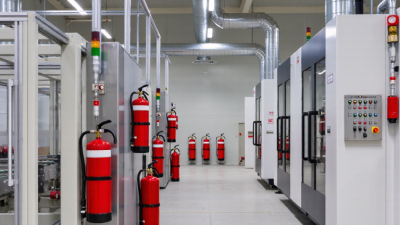
Fire suppression starts with matching equipment to the hazard, not choosing the largest unit. Portable extinguishers remain essential for early control in offices, workshops, kitchens, and vehicles. Dry chemical agents can address many ordinary and liquid-fuel fires, while water-based units suit paper, wood, and cloth. Electrical risks require equipment approved for energized systems and clear operating instructions.
For larger sites, hydrant systems, fire hoses, branch pipes, and pumps provide sustained water delivery. A reliable setup needs visible hose cabinets, tested pressure, accessible valves, and backup power where required. Fixed sprinklers can control heat before flames spread, but correct spacing and water flow matter more than appearance. In server rooms, archives, or areas with sensitive machinery, clean-agent or inert-gas systems may reduce residue damage. Installation should follow local codes, hazard assessments, and qualified inspection procedures.
Field checks often reveal simple failures: blocked access, low cylinder pressure, cracked hose couplings, or faded instructions. These details are easy to overlook. Equipment also needs training, drills, and records, not just a purchase order. No system is perfect. A poorly selected extinguisher can waste critical seconds. Buyers should verify agent compatibility, maintenance support, spare parts, and climate resistance before shipment. Regional conditions may change the decision.
Rescue and Evacuation Equipment for Fireground Operations
2026 Top Types of Fire Rescue Equipment for Global Buyers
In 2026, fireground buyers are prioritizing rescue and evacuation equipment that protects crews and victims. Speed matters, but control matters more. A practical rescue set may include thermal imaging cameras, breathing apparatus, portable lighting, radios, stretchers, rescue ropes, and evacuation chairs. Thermal cameras help crews locate victims through dense smoke. Portable lights expose blocked paths, fallen cables, and unstable flooring. Breathing apparatus supports work in contaminated atmospheres, but cylinders require careful inspection and correct fitting. Visibility matters.
For evacuation, rated harnesses, rescue ropes, and low-profile stretchers support different rescue conditions. A flexible stretcher can pass through narrow doors and stairwells. Evacuation chairs need secure belts, controlled wheels, and trained operators. Rescue ropes require tested anchors, clear commands, and backup systems. Radios should remain usable with gloves and heavy breathing. Accountability boards also help supervisors track personnel during changing conditions.
Reliable purchasing begins with realistic drills, not attractive product photos. Buyers should review load ratings, heat resistance, battery life, cleaning procedures, storage needs, and replacement schedules. Equipment must match local fire codes and recognized testing standards. No setup is perfect. A checklist cannot replace practice. During drills, crews may find that a stretcher catches on a doorframe or that radio instructions become unclear. Those findings should influence training, storage, and future purchasing decisions before a real evacuation begins.
| Equipment Type | Primary Fireground Function | Typical Technical Data | Common Configuration | Key Buying Criteria | Common Reference Standards |
|---|---|---|---|---|---|
| Self-Contained Breathing Apparatus (SCBA) | Protects firefighters from smoke, toxic gases, oxygen-deficient atmospheres and high heat during interior attack, search and rescue. | Cylinder pressure: commonly 207 or 300 bar Cylinder capacity: approximately 6.8 to 9.0 L water volume Rated duration: commonly 30 to 60 minutes under standard test conditions |
Facepiece, demand regulator, backplate and harness, compressed-air cylinder, pressure gauge, low-pressure warning device and optional telemetry. | Facepiece fit, breathing resistance, cylinder availability, service support, alarm performance, operating temperature and compatibility with protective clothing. | EN 137; NFPA 1981; ISO 23269-1 |
| Thermal Imaging Cameras | Helps locate trapped occupants, identify heat sources, navigate smoke-filled areas and assess fire spread. | Typical detector resolution: 160 × 120 to 640 × 480 pixels Typical operating range: approximately -20°C to 260°C or higher, depending on model Typical runtime: about 2 to 6 hours per battery |
Rugged camera body, infrared sensor, display, rechargeable battery, wrist strap and optional video or data recording. | Image clarity through smoke, heat resistance, drop and water protection, startup time, battery interchangeability, glove-friendly controls and calibration stability. | NFPA 1801; EN пожар? No. Commonly assessed using ingress-protection and electrical-safety requirements applicable to the product. |
| Hydraulic Rescue Tools | Performs vehicle extrication and structural rescue by cutting, spreading, lifting or pulling metal and other obstacles. | System pressure: commonly 700 bar Spreading force: often 250 to 800 kN at the tool tip, depending on design Cutting capacity: varies by blade geometry and material grade |
Battery-powered or engine-powered pump, cutter, spreader, combi tool, ram, hoses and quick-connect couplings. | Power-to-weight ratio, battery runtime, cutting and spreading performance, hose compatibility, corrosion protection, maintenance access and compatibility with rescue procedures. | NFPA 1936; EN 13204 |
| Positive-Pressure Ventilation Fans | Improves visibility and removes smoke, heat and combustion products from buildings after suitable ventilation openings are established. | Airflow: commonly 10,000 to 35,000 m³/h Fan sizes: approximately 300 to 500 mm Power options: electric, battery, petrol or hydraulic |
Axial fan, protective grille, adjustable frame, carry handles and optional ducting or misting attachment. | Measured airflow, stable positioning, noise level, starting reliability, exhaust management, water resistance and safe operation around doorways. | EN 12101-3 for powered smoke and heat control equipment; applicable electrical and machinery safety requirements. |
| Forcible Entry Tools | Provides controlled access through locked, blocked or damaged doors, windows, roofs and other building components. | Common tool lengths: approximately 600 to 1,800 mm Typical materials: heat-treated alloy steel, forged steel or composite handles Tool forms: halligan-type bars, axes, hooks, rams and bolt cutters |
Manual entry tool sets, powered door openers, hydraulic rams, cutting tools and carrying packs. | Handle insulation, corrosion resistance, edge retention, grip security, weight balance, compatibility with local building construction and ease of decontamination. | NFPA 1931 for fire department ground ladders where applicable; product-specific hand-tool, machinery and occupational-safety requirements. |
| Rope Rescue Equipment | Supports high-angle rescue, confined-space access, lowering, raising, belaying and victim evacuation. | Common rope diameters: approximately 10 to 13 mm for life-safety systems Typical rope construction: low-stretch kernmantle Typical minimum breaking strength: commonly above 20 kN, subject to rope type and certification |
Life-safety rope, harnesses, helmets, pulleys, descenders, ascenders, anchors, carabiners, edge protection and hauling systems. | Rope compatibility, working-load limits, rescue-system efficiency, inspection traceability, ease of cleaning, temperature resistance and certification documentation. | NFPA 2500; EN 1891; EN 341; EN 365 |
| Ground Ladders | Enables access to upper floors, roof areas and elevated windows, while supporting ventilation and rescue operations. | Common lengths: approximately 3 to 10 m Typical materials: aluminum, fiberglass or wood Configurations: straight, roof, extension, combination and folding ladders |
Heat-resistant ladder rails, rungs, hooks, halyard, locks, shoes and stabilizing accessories. | Rated duty load, closed and extended length, carrying weight, electrical-conductivity requirements, rung slip resistance, locking reliability and storage dimensions. | NFPA 1931; EN 1147 |
| Rescue Tripods and Confined-Space Systems | Creates a stable anchorage for vertical entry, victim retrieval and controlled lowering in wells, tanks, shafts and other confined spaces. | Typical working height: approximately 1.5 to 3.5 m Typical rated load: commonly 150 to 300 kg, depending on configuration System components: tripod, winch, pulley, lifeline and anchorage accessories |
Adjustable aluminum or steel legs, head assembly, feet, mechanical winch and fall-arrest or rescue line. | Rated anchor capacity, leg stability, setup time, portability, compatibility with harnesses, corrosion resistance and third-party inspection requirements. | EN 795; EN 1496; EN 360; NFPA 2500 |
| Evacuation Chairs and Drag Devices | Moves mobility-impaired occupants down stairs, across corridors or through restricted access routes during emergency evacuation. | Typical user capacity: approximately 120 to 230 kg Typical product weight: about 8 to 15 kg for many evacuation chairs Use surfaces: stairs, landings and smooth floors, depending on design |
Foldable evacuation chair, restraint straps, friction tracks or stair glides, carry handles and optional storage bracket. | Stair geometry compatibility, operator requirements, patient restraint, transfer comfort, cleanability, corrosion resistance, training needs and evacuation-route testing. | EN 1865 series where applicable; ISO 7176-related wheelchair testing may be relevant to specific designs; local accessibility and occupational-safety rules. |
| Firefighter Search and Rescue Harnesses | Provides controlled attachment, victim handling and personal fall protection during structural, roof, ladder and technical rescue operations. | Common sizes: adjustable small to extra-large ranges Typical attachment points: dorsal, sternal, waist or rescue-specific points Load rating: must follow the manufacturer’s certified configuration |
Heat-resistant webbing, leg and torso adjustment, quick-connect buckles, rescue loops and equipment attachment points. | Fit over protective clothing, donning speed, load distribution, buckle security, inspection markings, compatibility with ropes and resistance to heat and contamination. | EN 361; EN 358; EN 1497; NFPA 2500 |
| Portable Lighting and Scene-Power Systems | Illuminates fireground work areas, improves casualty assessment and supports rescue operations during power failure or low-visibility conditions. | Typical light output: approximately 1,000 to 10,000 lumens per portable unit Typical runtime: about 2 to 12 hours, depending on output and battery size Power systems: rechargeable battery, generator or vehicle supply |
Handheld lamps, area lights, tripod lights, intrinsically safe lights, battery packs, extension cables and portable generators. | Hazardous-area classification where required, ingress protection, impact resistance, runtime, charging method, light distribution, cable management and fuel or battery logistics. | IEC 60079 series for equipment intended for explosive atmospheres; IEC 60529 for ingress protection; applicable electrical safety requirements. |
Protective Equipment for Firefighters and Emergency Responders
2026 Top Types of Fire Rescue Equipment for Global Buyers
Protective equipment remains the first barrier between responders and heat, smoke, impact, and contamination. NFPA estimated 101,875 firefighter injuries in the United States during 2022. That figure should influence every procurement decision. Structural firefighting ensembles require heat-resistant coats, trousers, helmets, gloves, hoods, and boots. SCBA systems protect breathing when oxygen levels fall or toxic gases rise. Face shields and integrated eye protection help during glass breakage and high-pressure hose work.
NIOSH recorded 1,056 on-duty firefighter deaths from 2001 through 2020. Its fatality investigations repeatedly highlight cardiovascular stress, respiratory hazards, falls, and delayed rescue. Buyers should assess complete systems, not isolated products. Fit testing matters because a loose glove or poorly adjusted face seal can become a serious weakness. NFPA 1970 and EN 469 provide useful benchmarks, but local certification requirements still need careful review. Certification paperwork alone cannot prove practical comfort.
Field teams often work in wet streets, narrow stairways, and unstable structures. Moisture barriers, reinforced knees, anti-slip soles, and clear helmet visors can improve movement. High-visibility garments support traffic incidents and night rescue operations. Lightweight materials reduce fatigue, yet reduced weight may limit durability. That trade-off deserves honest testing. No protective kit is perfect. Buyers should request sample trials, wash-cycle results, repair guidance, and independent laboratory evidence before committing to large volumes. Crew feedback may expose problems that a technical sheet misses.
Selection Standards for Global Fire Rescue Equipment Buyers
Global buyers should evaluate fire rescue equipment by mission, environment, and verified performance. A coastal rescue team needs corrosion-resistant materials and sealed electronics. A high-rise crew may prioritize compact breathing systems, thermal protection, and reliable communication. Product claims are only a starting point. Request test reports, inspection records, and clear operating limits. Independent certification can strengthen confidence, but buyers should confirm its scope and validity. Standards vary across jurisdictions. Local authorities, import rules, and workplace requirements must be checked before purchase.
Safety depends on the complete system, not one impressive tool. Check compatibility among helmets, protective clothing, breathing equipment, lighting, ropes, and communication devices. Ask whether components remain usable with gloves, low visibility, and wet hands. Evaluate battery life in cold and heat. Confirm spare-part access, calibration support, cleaning instructions, and user training. A supplier with documented quality controls and traceable batches is easier to audit. Field trials matter. Equipment may perform well in a showroom yet frustrate crews during smoke, mud, or repeated deployment. Selection teams often overvalue specifications and undervalue maintenance time. That weakness deserves another review.
Tips: Build a scoring sheet before contacting suppliers. Weight safety, durability, service, training, and total ownership cost. Test representative units with real users. Record failures, awkward controls, and missing documentation. Do not hide weaknesses; they often reveal important purchasing questions.
Related Posts
-
What Is Equipment Fire Suppression Equipment?
-
How to Choose Firefighters Equipment in 2026?
-
2025 Trends in Firefighting Technology: How to Select the Best Equipment for Your Needs
-
Essential Fire Rescue Equipment Every Community Should Have for Safety
-
Top 10 Must Have Firefighters Equipment for 2023 You Need to Know
-
How to Choose the Right Fire Equipment for Your Business?