
Best Electric Marine Toilet for Boats in 2026
An Electric Marine Toilet can make a small boat feel noticeably more comfortable. Press a switch, hear the pump engage, and waste moves through the system without a hand-operated pump. The upgrade is not effortless, though. Wiring, water supply, discharge routing, ventilation, and holding-tank capacity all affect daily performance. A quiet cabin depends on more than the toilet itself.
The market sits within a large and active boating sector. NMMA’s 2024 Economic Impact Study estimated that recreational boating generated $230.3 billion in annual economic impact and supported 812,000 jobs in the United States. That figure does not measure electric toilets specifically, but it shows why dependable onboard equipment matters to boat owners and marine businesses. For 2026, the best choice will depend on the vessel: a compact day boat has different space and power limits than a cruising yacht. Measure the installation area. Check the available electrical supply. Then compare flushing performance, noise, service access, and parts availability.
One point needs honest sourcing. Nigel Calder, author of Boatowner’s Mechanical and Electrical Manual, is a recognized marine-systems authority, but no verifiable direct quotation from him about electric marine toilets was available in the supplied material. Rather than invent a quote, this guide focuses on practical selection criteria and clearly identified industry data. Some details may still be missed; installation conditions vary from boat to boat.
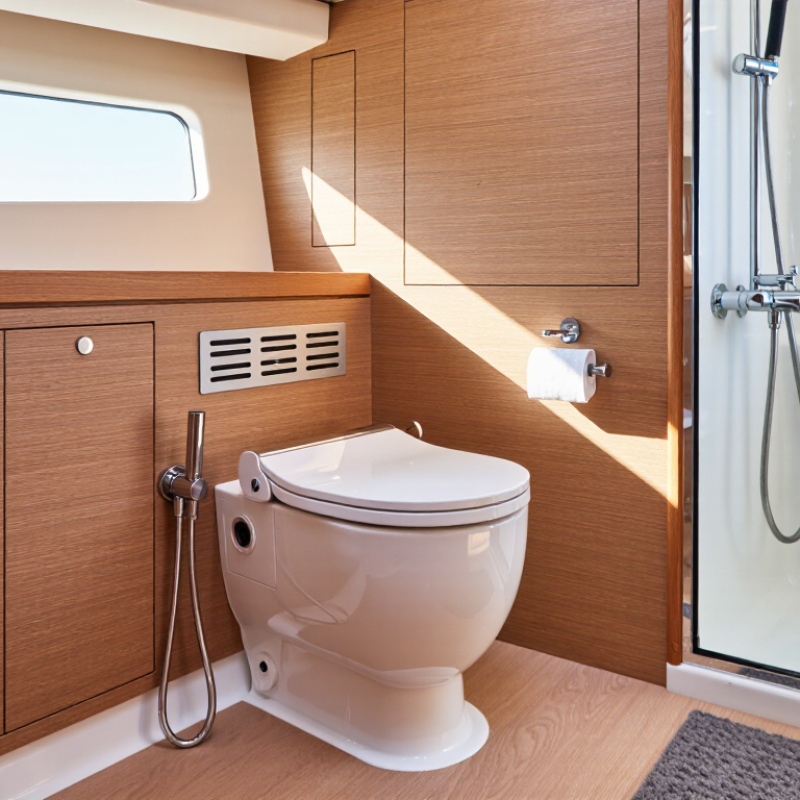
Understanding Electric Marine Toilets and Their Use on Boats
An electric marine toilet uses a powered pump to move waste from the bowl into a holding tank. Depending on the design, it may macerate waste before pumping it through the discharge line. The flush often needs only a button press, but the system still depends on reliable power, sound plumbing, and careful use.
Some toilets use freshwater, while others draw seawater for flushing. Freshwater models can reduce odors linked to stagnant seawater, though they use water stored aboard. A seawater intake needs a clear path and a properly maintained strainer. Either way, check that hoses are secure and the tank vent is unobstructed. Small leaks matter in a compact cabin.
Power demand varies by model, so check the manual and wiring requirements before installation. A weak battery may cause slow flushing or failed pump cycles. That detail is easy to overlook. Match the toilet to the boat’s available space, tank capacity, and electrical system. Avoid putting wipes or other unsuitable materials into the bowl; they can clog pumps and hoses. Routine checks help: listen for unusual pump sounds, inspect connections, and follow the manufacturer’s cleaning guidance. It is tempting to assume an electric toilet is maintenance-free. It isn’t.
How Electric Marine Toilets Work
An electric marine toilet uses a motor and pump to move waste instead of a hand-operated pump. Press the flush switch. A pump admits rinse water, while a macerator breaks up solids and toilet paper. The discharge pump then sends the mixture through marine plumbing to a holding tank or the system’s designated outlet. Exact layouts vary by vessel.
The flush cycle draws power from the boat’s electrical system, so wire size, fuse protection, and battery condition matter. A long cable run or weak battery can slow the motor or prevent a full flush. Some toilets use fresh water; others draw seawater through an intake pump. Seawater systems need careful plumbing to reduce backflow and odors. The motor may sound surprisingly loud in a quiet cabin. That can be normal, but persistent grinding, leaks, or repeated slow cycles deserve inspection.
Tips: Follow the toilet’s manual and use only suitable toilet paper. Check the intake strainer and hoses periodically for debris or leaks. Small checks help. Avoid forcing a flush when the battery is low; it may leave waste in the bowl.
Key Factors for Choosing a Marine Toilet in 2026
Choosing an electric marine toilet starts with the boat, not the showroom display. Measure the available footprint, including the space needed to lift the seat and reach service panels. Check the distance to the holding tank and the height of the discharge route; long hose runs can complicate installation. A compact bowl may suit a narrow head, but comfort matters on overnight trips. Sit-test if possible.
Match the unit’s voltage to the boat’s electrical system, then check its current draw against the wiring and breaker capacity. Follow the installation manual for cable sizing and protection. This detail is easy to miss. Also compare flush-water use: a freshwater connection can reduce odors, while a seawater intake may conserve onboard freshwater. Each setup has trade-offs, and neither is automatically better.
Look closely at maintenance access, hose connections, and the macerator’s service requirements. A toilet tucked behind cabinetry may look tidy but become frustrating when a small part needs attention. Check the manufacturer’s noise rating if cabins sit nearby, and ask how the bowl and pump should be winterized for your climate. Specifications help, but they do not show every awkward corner of a real installation. Measure twice; boats rarely offer spare space.
Best Electric Marine Toilet for Boats in 2026: Key Selection Factors
Electrical-system compatibility matters when choosing an electric marine toilet. This chart shows the current required by the same illustrative 120-watt load: 10 amps at 12 volts and 5 amps at 24 volts, calculated using watts = volts × amps. Check the toilet’s actual specifications, available wiring, water supply, holding-tank capacity, and applicable discharge rules before buying.
Comparing Electric Marine Toilet Features and Designs
Electric marine toilets vary in bowl shape, flushing method, and installation footprint. A compact design can free up floor space in a small head, but its narrower seat may feel less comfortable on a longer voyage. Ceramic bowls are easy to wipe clean, while lighter composite parts can help limit weight. That trade-off deserves a close look. Some units use a macerator and pump to move waste through the discharge line; others have different layouts that may affect access for servicing. More components can mean more potential maintenance points.
Controls matter, too. A simple panel is easy to understand in dim light, while separate flush settings can help manage water use. Pump noise is another practical difference. It depends on installation, hose routing, and the boat’s structure, not only the toilet itself. Check the electrical requirements against the vessel’s system, and compare the installation dimensions with the available space. A neat product diagram does not always reveal awkward hose bends.
Tips: Measure the mounting area and service access before choosing. Check voltage, water supply, and discharge connections in the installation manual. If possible, listen to a similar unit running; cabin noise can surprise you.
| Design type | How it works | Water supply | Installation considerations | Potential advantages | Things to check before choosing | Best suited to |
|---|---|---|---|---|---|---|
| Compact, integrated macerating toilet | An electric pump macerates waste and moves it through the discharge plumbing. | Freshwater or raw-water versions are available, depending on the unit. | Needs suitable electrical wiring, water connections, and discharge plumbing. Confirm bowl dimensions and service access. | Combines the bowl and waste-handling components in one unit; compact models can suit space-limited heads. | Check the specified voltage, fuse and wire requirements, water use per flush, discharge size, and replacement-parts availability. | Small- to mid-size boats where a conventional electric flush and a compact footprint are priorities. |
| Household-height electric macerating toilet | Uses an electric macerator and pump, with a taller bowl designed for a more residential seating height. | Typically supplied by a freshwater system or a dedicated raw-water intake, according to the model. | Requires enough floor area, headroom, and access around the bowl; confirm mounting footprint before installation. | Offers a familiar sitting height and can be more comfortable for users who prefer a taller seat. | Check overall height, bowl projection, lid clearance, plumbing route, and the electrical load specified by the manufacturer. | Boats with a larger bathroom and owners prioritizing a household-style seating position. |
| Remote-macerator or split-system toilet | The bowl and electric macerator or pump are separate components, connected by plumbing. | Freshwater or raw-water arrangements depend on the bowl and pump system selected. | Needs a suitable location for the remote pump, accessible service space, and plumbing routed within the installation limits. | Separating components can offer more flexibility in bowl placement and equipment location. | Check maximum lift and run limits, hose routing, pump access, electrical specifications, and compatibility of components. | Installations where the available bowl location or service layout favors separate components. |
| Electric vacuum-flush system | An electric vacuum generator creates suction to move waste through the system; it is distinct from a bowl-mounted macerator design. | Flush-water arrangements vary by system and installation. | Requires space and access for vacuum equipment, compatible vacuum plumbing, electrical supply, and a suitable holding-tank connection. | Can support multiple toilets connected to a shared system, depending on the system design. | Check system layout, vacuum-generator capacity, service requirements, pipe specifications, and compatibility with the holding tank. | Larger boats or multi-head layouts designed around a shared vacuum system. |
| Freshwater-fed electric model | Uses an electric flush mechanism while drawing flush water from the boat’s pressurized freshwater system. | Freshwater; the plumbing must be compatible with the boat’s potable-water system. | Requires a suitable freshwater connection and adequate pump pressure as specified for the toilet. | Avoids a dedicated seawater intake and keeps the flush-water supply separate from surrounding seawater. | Consider freshwater use per flush, onboard water capacity, backflow protection, and the manufacturer’s pressure requirements. | Boats where a freshwater connection is available and conserving potable water is not the overriding concern. |
| Raw-water-fed electric model | Uses an electric flush mechanism supplied from a seawater or other raw-water intake. | Raw water, normally through an intake and associated plumbing. | Requires an appropriate intake, seacock, strainer where specified, and correctly routed hoses. | Does not draw flush water from the boat’s potable-water supply. | Review intake and seacock access, maintenance needs, local operating conditions, and the manufacturer’s guidance on odor and marine growth. | Boats where potable-water conservation is important and a suitable raw-water installation is available. |
Selection note: Electrical voltage, current draw, water consumption, dimensions, discharge requirements, and installation limits vary by model. Verify the specific manufacturer’s specifications and applicable marine sanitation rules before purchasing or installing a toilet.
Installation, Maintenance, and Safe Operation at Sea
A dependable electric marine toilet starts with careful installation, not a powerful pump. Mount the bowl firmly, with space to reach hose clamps and service panels. Use marine-rated wiring, the specified fuse, and a dedicated circuit sized for the unit’s current draw. Disconnect power before working. Route hoses without sharp bends, and secure every connection with suitable clamps. Keep the intake and discharge seacocks accessible. If the layout is unfamiliar, ask a qualified marine technician to check it before departure.
Test the toilet at the dock. Look for leaks while the pump runs, then check again after it stops. The smallest drip matters. Salt crystals and waste deposits can stiffen seals, so flush with the water type and cleaning products approved for the toilet. Avoid harsh chemicals that may damage seals or hoses. Inspect wiring for corrosion, and listen for changes in pump sound. A slow flush may signal a blockage, low voltage, or a worn seal; guessing can make repairs worse.
At sea, use only the amount of paper the system is designed to handle. In rough conditions, secure the lid and follow the vessel’s guidance for operating seacocks. Close them when the boat is unattended if the system design calls for it. Keep the holding tank’s level in view, and follow local discharge restrictions. It is easy to blame the pump. Often, a loose clamp or tired battery is the real problem. Regular checks are less glamorous, but they prevent unpleasant surprises offshore.