How to Choose the Right Fire Safety Protection Equipment?
Choosing the right Fire Safety Protection equipment begins with understanding the actual risks in a building. A commercial kitchen needs different protection from a warehouse storing cardboard, solvents, or lithium batteries. Room size, occupancy, heat sources, evacuation routes, and maintenance access all matter. A bright red extinguisher alone does not create safety.
NFPA President Jim Shannon stated, “The best way to protect your home and family from fire is to prevent a fire from happening in the first place.” His point remains practical. Effective protection combines prevention, early detection, suppression, and evacuation planning. Smoke alarms should be suitable for the environment. Extinguishers must match the fire class. Sprinkler systems require professional design, inspection, and testing. Emergency lighting and fire blankets also need clear placement, not storage behind locked doors.
The process is rarely perfect. People may choose equipment by price, appearance, or habit. That approach can fail during heat, smoke, noise, and panic. An extinguisher that has never been handled may feel unfamiliar when seconds matter. Batteries may expire. Exit signs may be blocked by temporary stock. These small oversights deserve honest review.
This guide examines how to compare Fire Safety Protection equipment, verify recognized certifications, and assess installation requirements. It also considers staff training, maintenance records, and local fire authority guidance. The right choice is not always the most expensive option. It is the equipment that fits the hazard, works reliably, and can be used correctly when conditions become difficult.
Understanding Fire Hazards and Protection Requirements
Choosing fire protection equipment starts with understanding the hazard, not browsing a product catalogue. A restaurant kitchen faces grease fires, while a server room needs protection for energized electrical equipment. Storage areas may contain plastics that burn quickly and produce dense smoke. Identify fuel sources, ignition points, room size, ventilation, and occupancy. Note vulnerable people, blocked exits, and heat-producing machinery. Small details matter.
Match equipment to the fire class and the expected response time. A suitable extinguisher should be visible, accessible, correctly rated, and easy for trained staff to operate. Water is not appropriate for every fire. Using it on live electrical equipment can increase danger. Install alarms, emergency lighting, hose systems, or automatic suppression only after a competent assessment. Local fire codes and qualified inspectors should guide the final design. Requirements can differ by building use and location.
Protection fails when maintenance becomes an afterthought. Check pressure indicators, seals, alarm batteries, access routes, and inspection tags on a defined schedule. Keep a clear path around each extinguisher. Train workers with realistic scenarios, including smoke, noise, and limited visibility. Do not assume one drill proves readiness. Review incidents and near misses honestly. We often underestimate panic. That mistake deserves attention.
Identifying Essential Fire Safety Equipment for Each Risk
How to Choose the Right Fire Safety Protection Equipment?
Identifying Essential Fire Safety Equipment for Each Risk
Choosing fire safety equipment starts with identifying what can burn, how quickly it may spread, and who could be exposed. Paper, wood, and textiles usually require water-based protection, while energized electrical equipment needs a non-conductive extinguishing agent. Cooking oils create a different hazard and need specially rated equipment. One extinguisher cannot safely handle every fire.
Walk through each area during normal work and busy periods. In a kitchen, place suitable extinguishers near cooking appliances, but not directly beside them, where flames could block access. Workshops may need extinguishers for flammable liquids, electrical panels, and metal dust. Storage rooms often require smoke detection, clear escape lighting, and unobstructed exit routes. Larger or higher-risk spaces may also need automatic suppression systems.
Small details matter. Alarms should be audible where machinery operates, and visual alerts can support people with hearing difficulties. Fire blankets can help with limited clothing or small cooking fires, but only when escape remains possible. Equipment must be inspected, accessible, clearly marked, and matched to local safety requirements. Training is equally important; an impressive-looking extinguisher is useless if nobody knows when not to use it. No checklist is perfect. Conditions change, and a blocked exit or newly stored chemical can make yesterday’s plan unsafe. Review the assessment after renovations, incidents, or changes in occupancy.
How to Choose the Right Fire Safety Protection Equipment?
Essential extinguisher media matched to recognized fire classes. A value of 1 indicates that the equipment type is generally suitable for that fire class; 0 indicates that it should not be selected as the primary extinguisher.
Fire classes: Class A covers ordinary combustibles, Class B flammable liquids, Class C energized electrical equipment, Class D combustible metals, and Class K cooking oils and fats. Always verify the extinguisher label, local regulations, and site-specific risk assessment before selection.
Comparing Equipment Types, Standards, and Performance
Choosing fire safety equipment requires more than comparing prices or cylinder sizes. The hazard determines the equipment type. Water-based extinguishers suit ordinary combustibles, while dry chemical units handle several common fire classes. Foam can control flammable liquid fires, but it may be unsuitable near sensitive electrical systems. Protective clothing, gloves, helmets, and breathing equipment also need hazard-specific selection.
Standards provide a useful comparison framework. Check whether equipment has been tested under recognized national or international standards. Review fire ratings, operating temperatures, discharge range, response time, and durability. For alarm systems, examine detection speed, audibility, backup power, and resistance to dust or moisture. Sprinklers require suitable response ratings, water flow, spacing, and installation quality. A certificate helps, but it does not prove correct site performance.
Look closely at maintenance requirements. A well-rated extinguisher becomes unreliable when pressure falls or access is blocked. Field inspections often reveal faded instructions, damaged seals, and equipment hidden behind stored materials. Small details matter. Choose equipment that workers can identify and operate under stress. Training should include realistic drills, not only classroom explanations. I have found that selection decisions sometimes focus too heavily on standards and overlook human behavior. That weakness deserves attention. Verify local requirements with a qualified fire safety professional, then document inspections, servicing, and staff competency.
| Equipment Type | Primary Protection Function | Suitable Fire Classes or Hazards | Key Performance Characteristics | Main Limitations | Commonly Referenced Standards | Selection and Use Considerations |
|---|---|---|---|---|---|---|
| Water Portable Extinguisher | Cooling burning materials and reducing the temperature below the ignition point. | Primarily Class A fires involving paper, wood, textiles, and many ordinary combustibles. | Good cooling capacity; simple agent; generally easy to clean after use. | Must not be used on energized electrical equipment or flammable liquid fires. Freezing temperatures may affect stored water. | NFPA 10; EN 3; ISO 7165 | Install where Class A combustibles are the dominant hazard. Confirm the extinguisher has an appropriate tested fire rating and is accessible. |
| Aqueous Film-Forming or Other Foam Extinguisher | Cooling the fire and forming a surface layer that helps suppress flammable-liquid vapors. | Class A materials and selected Class B flammable-liquid fires, subject to the extinguisher’s listing. | Can provide surface coverage on some liquid fires and useful cooling on ordinary combustibles. | Some foam agents may have environmental or disposal restrictions. Not normally suitable for energized electrical equipment unless specifically tested and marked. | NFPA 10; EN 3; ISO 7165 | Check the agent formulation, environmental requirements, electrical-use marking, and compatibility with the fuel before purchase. |
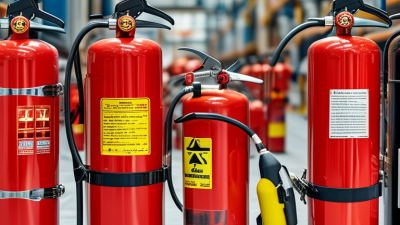
| Dry Chemical ABC Extinguisher | Interrupting the chemical chain reaction and coating the burning material with extinguishing powder. | Class A, Class B, and Class C fires where the product is specifically rated for those classes. | Broad application range; rapid knockdown; effective for many mixed-hazard areas. | Leaves powder residue; limited cooling can allow re-ignition. Powder may damage sensitive electrical or mechanical equipment and impair visibility. | NFPA 10; EN 3; ISO 7165; UL 711 | Often selected for workshops, vehicles, plant rooms, and general commercial areas. Match the marked rating to the hazard and maintain clear operating access. |
| Carbon Dioxide Extinguisher | Displacing oxygen near the fire and reducing the flame’s ability to continue burning. | Class B flammable-liquid fires and energized electrical equipment, when permitted by the product marking and local requirements. | Leaves no powder or liquid residue; useful around sensitive electrical and electronic equipment. | Limited cooling and possible re-ignition; reduced effectiveness outdoors or in ventilated spaces. Discharge can create a cold-contact hazard and may present an asphyxiation risk in confined areas. | NFPA 10; EN 3; ISO 7165; UL 711 | Use mainly for localized hazards such as electrical panels or laboratory equipment. Provide additional protection where deep-seated Class A materials may continue to smolder. |
| Wet Chemical Extinguisher | Cooling and chemically reacting with hot cooking oils to form a stable surface layer that helps prevent re-ignition. | Commercial cooking-oil and fat fires, commonly identified as Class K in North America and Class F in many other classification systems. | Designed for high-temperature cooking-media hazards; provides cooling and re-ignition resistance when correctly applied. | Not a universal replacement for other extinguishers. Incorrect application, especially with a forceful agent stream, can spread burning cooking oil. | NFPA 10; EN 3; ISO 7165 | Use with a commercial kitchen fire-suppression system where required. The extinguisher rating must specifically cover cooking oils and fats. |
| Automatic Fire Detection and Alarm System | Detecting smoke, heat, or flame and providing an early warning to occupants or a supervising location. | Buildings requiring early notification, including offices, residential facilities, warehouses, schools, and industrial premises. | Can provide earlier warning than human observation; system performance depends on detector type, spacing, alarm audibility, and maintenance. | Detection does not extinguish a fire. Smoke, steam, dust, poor positioning, or inadequate maintenance can cause nuisance alarms or delayed detection. | NFPA 72; EN 54 series; ISO 7240 series | Select smoke, heat, flame, or multi-criteria detection according to the environment. Design, installation, testing, and servicing should be performed by qualified personnel. |
| Automatic Sprinkler System | Automatically detecting heat and applying water to control or suppress a developing fire. | Many commercial, residential, storage, and industrial occupancies, subject to system design and hazard classification. | Provides automatic local response; normally activates only near the heat source rather than all sprinklers simultaneously. | Requires an adequate water supply, correctly designed pipework, inspection, testing, and protection from freezing or physical damage where applicable. | NFPA 13; EN 12845; ISO 6182 series | Design must account for occupancy hazard, storage height, commodity, ceiling configuration, water supply, and required density or design area. |
| Fire Hose Reel or Standpipe Hose System | Delivering a sustained water stream for use by trained occupants or responding firefighters. | Building areas with a dependable water supply and a need for extended manual firefighting reach. | Longer operating duration than many portable extinguishers; useful for cooling and controlling Class A materials. | Requires training, adequate water pressure, clear access, and regular inspection. Generally unsuitable for energized electrical equipment or flammable-liquid fires unless specifically designed and approved. | NFPA 14; EN 671 series; local building and fire codes | Position near exits, fire compartments, or designated access routes. Confirm hose length, nozzle type, flow, pressure, and user training. |
| Fire Blanket | Smothering small flames by separating the fire from oxygen and containing burning clothing or small cooking fires. | Small, localized fires involving clothing, laboratory materials, or cooking equipment when the blanket is suitable for the application. | Requires no propellant; simple to deploy; can help protect a person whose clothing has caught fire. | Not suitable for large, spreading, pressurized, or heavily ventilated fires. Incorrect removal can expose the fire to air and cause re-ignition. | EN 1869; relevant local fire-safety requirements | Store in a clearly marked, easily accessible container. Users should be trained not to take unnecessary risks and to evacuate when the fire cannot be immediately controlled. |
| Fire-Resistant Protective Clothing and PPE | Reducing exposure to heat, flame, radiant energy, and other hazards during firefighting or emergency response. | Firefighting operations, industrial hot-work activities, emergency response, and environments identified by a task-based risk assessment. | Performance may include flame resistance, heat resistance, thermal insulation, mechanical protection, and visibility, depending on the garment system. | PPE does not make an unsafe operation safe; heat stress, moisture, poor fit, contamination, wear, and incorrect layering can reduce protection. | NFPA 1970; EN 469; ISO 11999 series; ISO 15384 | Choose PPE as a complete system, including helmet, gloves, footwear, eye or face protection, and respiratory protection where required. Verify certification, fit, cleaning, inspection, and replacement procedures. |
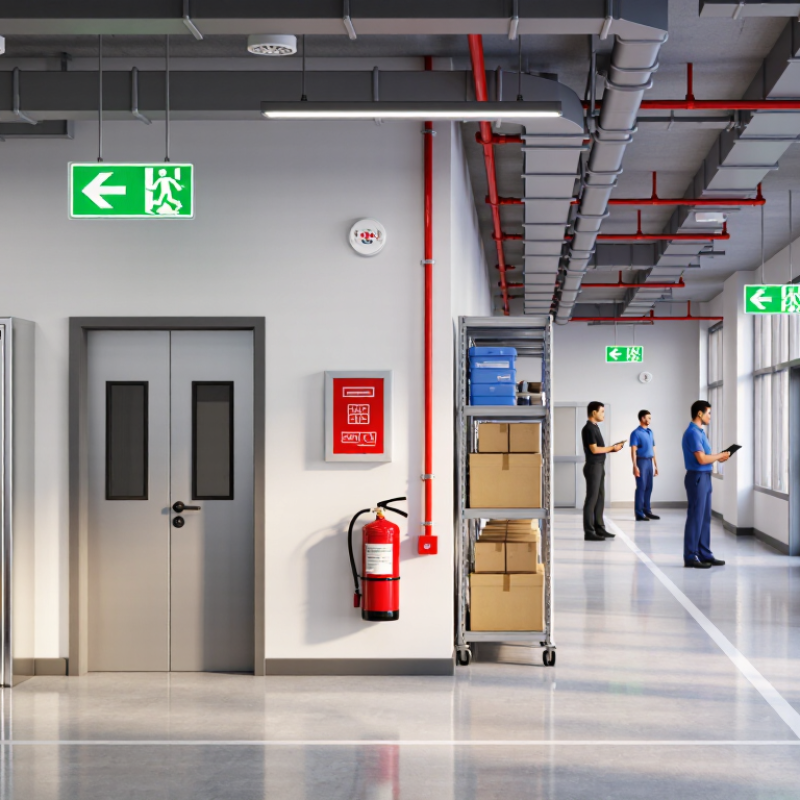
| Emergency Lighting and Exit Signage | Maintaining visibility of escape routes and exits during power failure, smoke conditions, or other emergencies. | Buildings where occupants may need to evacuate during a loss of normal lighting or an emergency event. | Supports faster and more orderly evacuation; performance depends on illumination, duration, visibility, placement, and battery condition. | Does not detect or suppress fire. Smoke, blocked signs, inadequate coverage, and failed batteries can compromise evacuation support. | EN 1838; EN 50172; ISO 7010; relevant local building codes | Use standardized safety signs, maintain unobstructed sightlines, test emergency duration, and inspect batteries and luminaires according to the applicable code. |

Selecting Equipment Based on Building Use and Occupancy
Equipment choice starts with building use, not room size. A quiet office needs different protection from a commercial kitchen, warehouse, school, or care facility. Each space creates different ignition sources, fuel loads, and evacuation challenges.
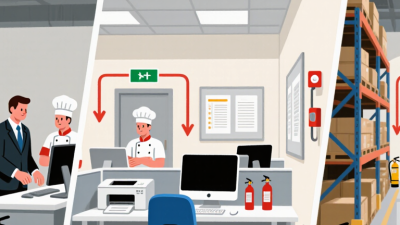
In an office, clearly marked extinguishers, alarm systems, emergency lighting, and unobstructed escape routes are usually central. Kitchens may require equipment suited to cooking-oil fires, while warehouses need careful planning for stacked materials and restricted visibility. Schools need simple alarms, accessible manual call points, and evacuation procedures that children can understand. Care facilities may also need stronger detection and staff-led evacuation support.
Occupancy changes the risk further. A crowded venue can fill quickly during an alarm, even when the building is compliant. Exit capacity, visitor movement, sleeping arrangements, and staff availability should guide the assessment. I once assumed a small storage room posed little danger. Its charging devices and tightly packed packaging proved otherwise. That mistake reinforced the value of inspecting real behavior, not just floor plans.
A competent fire-safety professional should assess the premises and compare equipment with local requirements. Staff must know what each device does, and training should include realistic drills. Equipment hidden behind furniture is not protection. Neither is an alarm with a dead battery. Inspection records, clear signage, suitable mounting heights, and scheduled maintenance help keep protection dependable. Some decisions remain uncertain until occupancy patterns change, so reviews should follow renovations, new machinery, or altered working hours.
Planning Installation, Inspection, Training, and Replacement
How to Choose the Right Fire Safety Protection Equipment?
Choosing fire safety equipment starts with risk mapping, not a catalogue. NFPA’s Fire Loss in the United States During 2023 estimated 1,504,500 fires nationwide. That figure makes planning practical, not theoretical. List fuel sources, ignition points, occupancy, dust, heat, and evacuation routes. Select extinguishing methods that match those hazards. Water is unsuitable for some energized or reactive materials. A qualified fire protection professional should verify selection and coverage.
Installation must keep equipment visible, reachable, and protected from impact. Mounting height, signage, clearance, and emergency lighting matter during smoke and panic. OSHA requires workplace extinguishers to receive monthly visual inspections and annual maintenance under 29 CFR 1910.157. Records should show dates, defects, corrective action, and the responsible person. Do not treat a green gauge as proof of readiness. Seals, hoses, corrosion, access, and pressure still need attention. Small defects become expensive surprises.
Training should include short demonstrations, realistic alarm drills, and role-specific instructions. Employees need to know when evacuation is safer than attempting control. NFPA 10 requires periodic maintenance and hydrostatic testing at intervals based on extinguisher type. Replace equipment after failed testing, severe corrosion, unavailable parts, or repeated damage. A perfect plan does not exist. Staff may forget steps under pressure, and inspections can miss hidden damage. Review performance after every drill, then adjust equipment, training, or replacement schedules.
Related Posts
-
How to Choose Fire Protection Products for Your Business?
-
How to Choose the Right Fire Equipment for Your Business?
-
2026 Top Fire Safety Equipment for Global Buyers
-
Real-World Applications of the Best Fire Equipment for Global Safety Standards
-
Understanding Global Industry Standards for Best Fire Extinguisher Storage Solutions
-
Revolutionizing Global Fire Safety with China's Best Quality Manufacturing