Why is Life Safety Equipment Essential for Every Home?
Life Safety Equipment is vital for every home. Protecting our families should be a top priority. Fire alarms, carbon monoxide detectors, and fire extinguishers make a significant difference. These tools can save lives during emergencies. They act as the first line of defense.
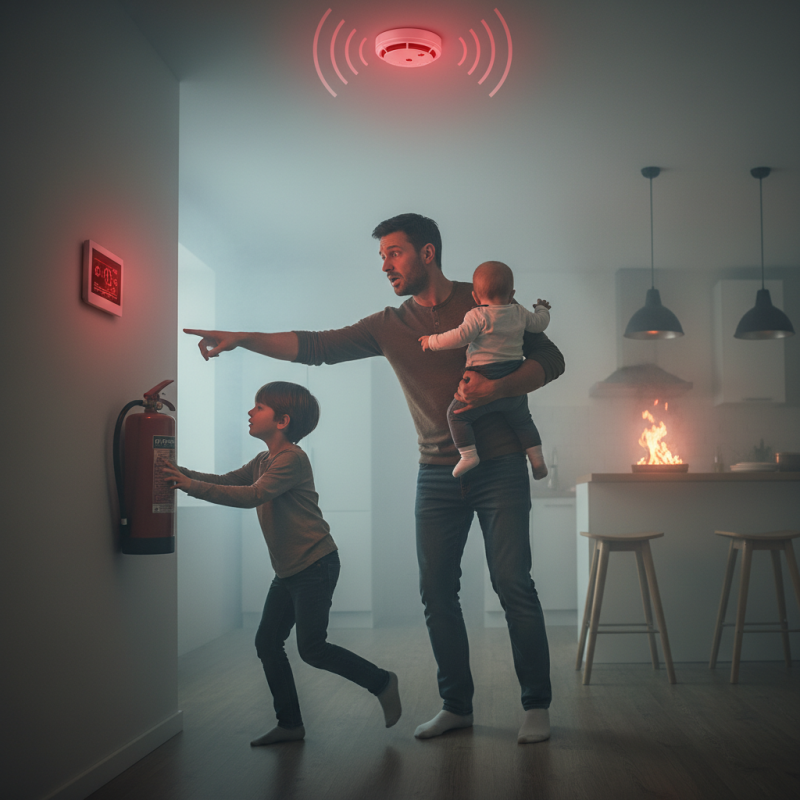
Imagine a sudden fire breaking out. What would you do? Without Life Safety Equipment, precious moments are lost. An alert from a smoke detector could mean the difference between life and tragedy. However, many homes lack these essential devices. This negligence can lead to unnecessary risks.
It's easy to overlook safety in our busy lives. We focus on daily routines and forget about preparedness. The absence of Life Safety Equipment invites danger. Taking steps to ensure safety is critical. Every family should assess their situation. Are you prepared for the unexpected?
Importance of Life Safety Equipment in Home Environments
Life safety equipment is vital for protecting families in home environments. According to the National Fire Protection Association, U.S. fire departments responded to over 1.3 million fires in 2022. These incidents resulted in nearly 3,400 civilian deaths. Installing smoke detectors can significantly reduce the risk of fatalities. Homes with working smoke alarms had a 50% lower chance of death in a fire.
Having a fire extinguisher in key locations can also be crucial. Studies show that households with fire extinguishers are better prepared to handle small flames before they escalate. Regular maintenance and checks on equipment are essential. Even a small flaw can render a device ineffective.
Tip: Test your smoke alarms monthly. Replace batteries at least once a year.
Carbon monoxide detectors are equally important. The Centers for Disease Control and Prevention reported that more than 400 people die from CO poisoning each year in the U.S. Many homes do not have these alarms. This lack of awareness increases risks dramatically.
Tip: Place CO detectors near sleeping areas. Check them monthly to ensure they are functional.
Personal safety gear, like first aid kits, should not be overlooked. Assessing your family's needs can help customize what supplies you keep on hand. Reflect on how prepared you are.
Common Types of Life Safety Equipment Every Home Should Have
Every home should prioritize life safety equipment. This equipment can prevent accidents and save lives. Here are some common types every household should consider.
Smoke detectors are vital. They can alert you to fire hazards early. Install them in every bedroom and on each level of your home. Remember to test them monthly and change batteries at least once a year. A simple reminder: “Check your smoke detectors!”
Carbon monoxide alarms are just as important. This colorless, odorless gas can be deadly. Place these alarms near sleeping areas. Regular maintenance is crucial. Replace alarms every five to seven years.
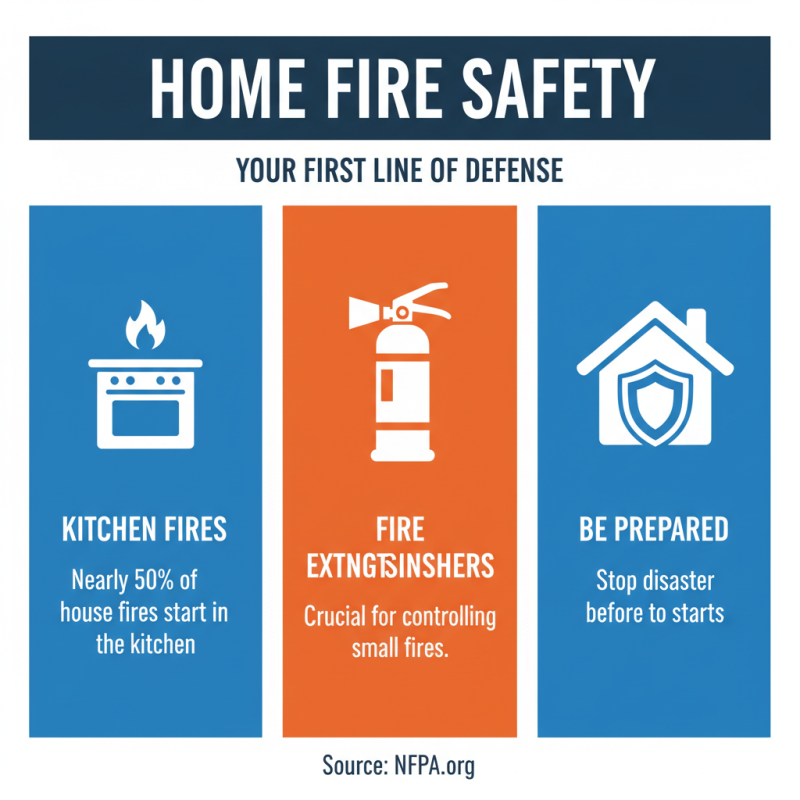
Don’t overlook home fire extinguishers. They can be used during small fires. Store them in accessible locations like the kitchen. Make sure everyone knows how to use them. Training is key.
These safety measures are easy to overlook. Yet, they are essential for protecting your family. Regular checks can make a difference. Stay prepared and stay safe!
Common Types of Life Safety Equipment Every Home Should Have
This bar chart illustrates the percentage of households that have common types of life safety equipment. Smoke detectors are the most prevalent, followed by fire extinguishers and first aid kits, highlighting the importance of safety measures in homes.
Understanding the Role of Smoke Detectors and Alarms in Safety
Smoke detectors and alarms are vital for protecting lives in homes. According to the National Fire Protection Association (NFPA), three out of five home fire deaths result from fires in homes without working smoke alarms. This statistic highlights the critical need for these devices in every household. Smoke alarms detect the presence of smoke, often triggering an alarm before flames spread. They buy precious minutes for residents to escape.
Understanding their role involves knowing the types. Ionization smoke detectors are sensitive to flaming fires, while photoelectric models are better at detecting smoldering fires. Combining these two types can offer broader coverage. However, a 2019 report revealed that nearly 30% of smoke detectors in homes are not functional due to dead batteries or loss of power. This flaw poses a significant risk. Regular maintenance can alleviate this issue, yet many homeowners overlook it.
Reflecting on safety measures often leads to mixed emotions. Installing smoke detectors is straightforward, yet many ignore their importance. A simple reminder to check batteries could save lives. We must not only install these devices, but also ensure they function properly. Every home deserves protection, and these small, often forgotten devices play a big role in that.
Why is Life Safety Equipment Essential for Every Home? - Understanding the Role of Smoke Detectors and Alarms in Safety
| Equipment Type |
Purpose |
Recommended Locations |
Maintenance Frequency |
Average Cost |
| Smoke Detector |
Detects smoke and alerts occupants of potential fire |
Bedrooms, Hallways, Living Rooms |
Monthly testing, replace every 10 years |
$20 - $60 |
| Carbon Monoxide Detector |
Detects harmful carbon monoxide gas |
Near sleeping areas, Basements |
Monthly testing, replace every 5 - 7 years |
$30 - $100 |
| Fire Alarm System |
Monitors for smoke and fire to alert emergency services |
Entire home, especially in high-risk areas |
Annual professional inspection |
$500 - $1,500 |
| Fire Extinguisher |
Used to suppress small fires |
Kitchen, Garage, Near fireplace |
Monthly checking, refill every 6 years |
$20 - $50 |
| Emergency Exit Lights |
Illuminates paths during power outages |
Exit routes, Stairwells |
Monthly testing |
$30 - $100 |
How to Properly Maintain and Test Your Life Safety Equipment
Regular maintenance of life safety equipment is critical. Smoke alarms, carbon monoxide detectors, and fire extinguishers need attention.
The National Fire Protection Association reports that 3 out of every 5 home fire deaths occur in homes without working smoke alarms. This statistic highlights the urgent need for routine checks. Many people forget to replace batteries or test these devices.
Testing your smoke alarms monthly is a simple task. Press the test button and listen for the beep. If there’s no sound, replace the batteries. Every six months, review the expiration date of your alarms. Most alarms only last about 10 years. If you find one older than that, it’s time to replace it. A survey found that 50% of people never test their alarms, which poses a serious risk.
Fire extinguishers also require care. Inspect them monthly to ensure they’re charged and accessible. Remember to check for any signs of damage. A good guideline is to replace fire extinguishers every 5 to 15 years, depending on the type. Yet, many neglect this. A staggering 60% of households do not have an easily accessible extinguisher. This oversight can be life-threatening in emergencies.