Why Is Fire Extinguisher Equipment Important?

Fire Extinguisher Equipment can help control a small fire before it blocks an exit or spreads to nearby materials. Its value depends on more than the extinguisher itself. Clear access, visible signs, secure mounting, and routine checks all matter. A unit hidden behind boxes may be present, yet difficult to reach when seconds count.

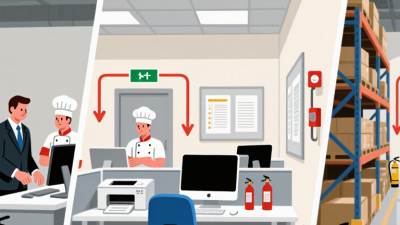
Equipment must suit the hazards in its surroundings. A kitchen, workshop, and office may require different extinguisher types, so labels and manufacturer instructions deserve close attention. Staff should also know where equipment is located and how to respond safely. Training can clarify when to use an extinguisher and when to leave, raise the alarm, and seek emergency help. Practice changes that.

It is easy to assume a full-looking cylinder means a room is prepared. That assumption can be wrong. Inspection may reveal damage, blocked access, or an overdue service need, while a tidy checklist may still miss a practical problem: can someone reach the unit quickly and understand its label? Reliable fire safety calls for suitable equipment, qualified maintenance, and realistic planning. No extinguisher removes every risk, and people should never be expected to fight a fire that is growing or threatening their escape. A careful look at these basics explains why Fire Extinguisher Equipment is an essential part of a broader safety plan, not a substitute for prevention or evacuation readiness.
Why Is Fire Extinguisher Equipment Important?

Types and Components of Fire Extinguisher Equipment

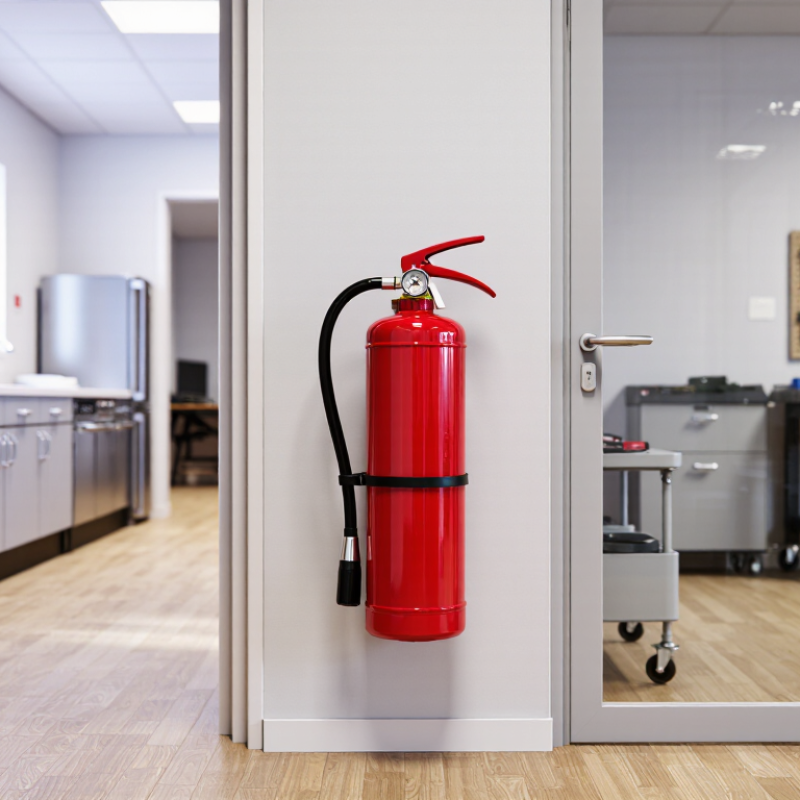
Fire extinguisher equipment is a system, not just a red cylinder. The body holds the extinguishing agent; a valve, handle, safety pin, pressure gauge, hose, and nozzle control its release. A label identifies the fire classes and operating limits. That label matters. Water is intended for ordinary combustibles, while carbon dioxide and dry chemical units suit different hazards. Choosing by color or size alone can mislead.

Common types include water, foam, carbon dioxide, dry chemical, and wet chemical extinguishers. ABC dry chemical models cover many ordinary combustible, flammable-liquid, and energized-electrical hazards. Wet chemical units are designed for cooking oils and fats. They are not interchangeable. The agent is expelled by stored pressure or a cartridge.

Check the gauge, pin and tamper seal, hose, nozzle, and cylinder for damage or corrosion. A blocked nozzle can turn readiness into delay.

Scale matters: NFPA’s U.S. Fire Loss in 2023 report estimated 1,389,000 fires and 3,670 civilian fire deaths that year. Those figures do not prove extinguishers prevent every loss. They show why correctly matched, accessible equipment matters.

Keep units visible and unobstructed, and follow the manufacturer’s inspection and servicing instructions. A full-looking cylinder is not necessarily ready. Equipment choice should reflect the fuel, room layout, and user training—not convenience alone.

How Fire Extinguishers Interrupt the Fire Process

Fire grows when heat, fuel, oxygen, and a sustaining chemical reaction remain together. A suitable extinguisher disrupts part of that process. Water-based agents cool burning materials, while dry chemical agents can interrupt the flame’s chemical reaction. Carbon dioxide can reduce oxygen around a flame, but its effectiveness may drop in open or windy spaces. The right agent matters: using water on burning cooking oil or energized electrical equipment can make the danger worse.

NFPA’s 2010 report, U.S. Experience with Fire Extinguishers, found that portable extinguishers were effective in about 80% of fires where they were used. That figure describes reported incidents, not a guarantee for every room or fire. A small wastebasket fire may be controllable; flames climbing curtains can spread quickly. The tricky part is judgment. Raise the alarm, keep an exit behind you, and use an extinguisher only when the fire is small and contained. If smoke thickens, the fire grows, or the escape route becomes uncertain, leave immediately. Training helps, but even practiced people can hesitate when a real alarm sounds.

Matching Extinguishers to Different Classes of Fire

Fire extinguisher equipment matters because the wrong agent can fail to control a fire or make conditions more dangerous. Matching the extinguisher to the burning material is essential. Class A fires involve ordinary materials such as paper, wood, and fabric. Class B fires involve flammable liquids, while Class D fires involve combustible metals. For energized electrical equipment, some systems use a Class C label; classifications can vary by region, so check the markings used locally.

Kitchen cooking oils need particular care. In North America, Class K extinguishers are designed for commercial cooking oils and fats. Never assume that water or a general-purpose extinguisher is suitable. Read the extinguisher label before an emergency, and ask a qualified fire-safety professional if the hazards at your workplace are unclear.

Labels matter.

A workshop might need different equipment near a paper-filled office and a metalworking area. Keep extinguishers visible, accessible, and appropriate for the nearby hazards. Training matters, too. People can forget how to operate equipment under pressure; a brief, practical demonstration may help. Use an extinguisher only on a small, contained fire if you are trained and have a clear escape route. If the fire spreads or the correct extinguisher is uncertain, leave and call emergency services. Appropriate equipment helps, but it cannot replace evacuation planning.

How Accessible Equipment Supports Safe Emergency Response

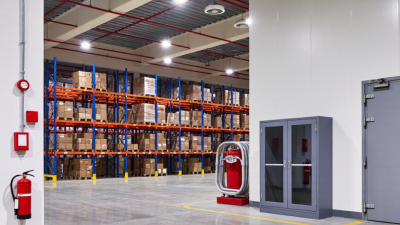
Fire extinguishers matter only when people can reach and use them safely. Keep each unit visible, clearly marked, and free from boxes, furniture, or hanging coats. A hallway extinguisher hidden behind a delivery cart may as well be farther away. Choose locations that people can reach along normal exit routes, and make sure signs remain visible from a distance. Check that the handle, hose, and instructions are unobstructed.

Access is more than placement. Staff and household members should know where equipment is and understand its basic instructions before an emergency. Practice finding it, but do not treat practice as proof that someone can fight every fire. Use an extinguisher only for a small, contained fire, with a clear exit behind you; raise the alarm and contact emergency services. If smoke grows or the exit becomes uncertain, leave. That decision can feel abrupt, even embarrassing. Leave anyway.

Layouts change. Shelves move, doors get blocked, and equipment can be overlooked during routine cleaning. A brief, regular walk-through can catch these problems and confirm that units appear undamaged and inspection schedules are current. Placement should follow the extinguisher’s instructions and guidance from qualified fire-safety professionals. The awkward truth is that an accessible unit still cannot replace evacuation planning.

Inspection and Maintenance for Reliable Performance

Fire extinguishers are useful only when people can reach them and the equipment works. Regular inspections help catch problems before an emergency, when there may be little time to react. Check that each unit is visible, unobstructed, and secured in its proper place. Look for a readable operating label, an intact safety pin and seal, and signs of leakage, corrosion, dents, or damage to the hose. If the model has a pressure gauge, confirm its indicator sits in the serviceable range marked on the unit. Small details matter. A blocked cabinet or loose hose can be easy to miss during a rushed walk-through.

Maintenance requires more than a quick glance. Follow the manufacturer’s instructions and applicable fire-safety requirements, and arrange scheduled servicing by a qualified technician. Any extinguisher that has been used, even briefly, needs professional attention before being returned to service. Keep inspection and service records with dates and notes about defects or repairs. Records help reveal recurring issues. A checklist is useful, but it can become a ritual; a signature alone does not prove an extinguisher is ready. Take time to notice changes, such as a shifted mounting bracket or a new stack of boxes narrowing access.