Why is Fire Safety Crucial for Your Business Success?
Fire safety is a critical component of business success. A staggering 70% of businesses that experience a major fire never reopen, highlighting the drastic impact of inadequate fire safety measures. According to the National Fire Protection Association, U.S. fire departments responded to over 1.3 million fires in 2021 alone, resulting in billions in property damage and economic loss.
Fire safety cannot be overlooked. As expert James Williams, a leading fire safety consultant, states, “Prevention is the best strategy; it protects lives and livelihoods.” His insights underscore the importance of proactive measures. Companies with robust fire safety plans report a 50% decrease in fire incidents. Yet, many businesses still underestimate the risks.
Every organization has unique needs. Fire safety plans must be tailored accordingly. Striking a balance between compliance and genuine safety practices is vital. It’s a complex environment where minor oversights can lead to significant consequences. Business leaders should reflect on their fire safety strategies to ensure preparedness is not just a checkbox, but a culture ingrained in their operations.

Importance of Fire Safety in Workforce Well-being
In today's fast-paced business environment, fire safety is often overlooked. However, a fire can devastate a workplace, impacting employees and operations. According to the National Fire Protection Association, U.S. businesses experience over 37,000 structure fires each year, resulting in more than $16 billion in property damage. This emphasizes the urgent need for robust fire safety strategies.
Prioritizing workforce well-being is essential. Studies show that businesses prioritizing safety have 50% fewer worker compensation claims. A safe environment boosts employee morale. Workers feel valued when their well-being is prioritized. Feeling secure directly impacts productivity and retention rates. The Occupational Safety and Health Administration highlights that a severe safety incident can lead to high turnover rates, disrupting team cohesion.
Despite awareness, many organizations still lack adequate fire safety plans. Regular training sessions are critical. Yet, reports show that only 30% of companies conduct annual fire drills. This gap shows a need for reflection. Investing in safety training not only protects employees but also speaks to the company's commitment to their welfare. A prepared workforce is a resilient workforce, ultimately fostering business success.
Impact of Fire Safety on Business Continuity and Operations
Fire safety plays a pivotal role in maintaining business continuity. A fire can disrupt operations unexpectedly. This disruption can lead to significant financial losses. Businesses often overlook fire safety measures. In reality, investing in safety can prevent these risks. Ensuring proper fire safety protocols can support uninterrupted operations.
Imagine a scenario where a fire causes a facility to shut down. Employees may be injured, and valuable documents can be lost. The aftermath can lead to delayed projects and increased stress. Companies may face tough decisions about layoffs or borrowing funds. When considering these factors, maintaining effective fire safety becomes essential.
Moreover, ongoing training for employees is crucial. Knowledgeable staff can respond efficiently in emergencies. Regular drills help everyone understand their roles. This preparation builds confidence and reduces panic. A fire safety plan should be clear and accessible to all. Failure to implement these measures could haunt a business for years. Fire safety is not just a precaution; it is a critical component of a successful business strategy.
Legal and Regulatory Requirements for Fire Safety Compliance
Fire safety compliance is not just a legal obligation; it's essential for business success. In the U.S., the National Fire Protection Association (NFPA) reported that fire departments responded to over 1.3 million fires in 2020, resulting in $21 billion in direct property damage. These statistics highlight the need for robust fire safety measures. Employers must understand local fire codes, as violations can lead to severe penalties, including hefty fines and possible shutdowns.
Beyond legalities, ensuring fire safety fosters a culture of safety within the workplace. A safe environment increases employee morale and productivity. Studies show businesses with comprehensive safety programs see up to a 50% reduction in injury-related costs. The Occupational Safety and Health Administration (OSHA) emphasizes that a proactive approach to fire safety minimizes risks significantly. However, many business owners overlook training and regular safety drills, potentially leaving staff unprepared in emergencies.
Adhering to fire safety standards means continuous learning and adaptation. Fire safety regulations can change. Staying updated with local and national standards is crucial. Periodic reviews and audits help identify gaps in compliance, and even minor oversights can result in serious consequences. This reflection can steer businesses toward better safety practices, ultimately safeguarding lives and property.
Why is Fire Safety Crucial for Your Business Success?
| Aspect |
Importance |
Legal Requirement |
Consequence of Non-Compliance |
| Fire Prevention Training |
Reduces the risk of accidents |
OSHA Standards |
Fines and increased insurance rates |
| Fire Safety Equipment |
Essential for quick response |
Local Fire Code |
Legal penalties and liability |
| Regular Fire Drills |
Ensures preparedness |
Fire Safety Regulations |
Increased risk to life and property |
| Emergency Evacuation Plans |
Critical for safety |
Building Codes |
Potential lawsuits |
| Regular Maintenance Checks |
Ensures functionality |
Insurance Requirements |
Coverage denial in case of incidents |
Cost Implications of Fire Incidents on Business Revenue
Fires can have devastating effects on a business. An incident can lead to significant revenue loss. The costs associated with fire damage are often underestimated. Repairing structures, replacing inventory, and covering lost productivity quickly add up.
Insurance might cover some losses, but policies vary. Companies may find themselves underinsured. This can leave a significant gap in recovery funds. Moreover, a business may face increased premiums after a fire. These financial implications can hinder growth and sustainability.
Customer trust is another casualty of a fire incident. After a fire, clients might hesitate to return. They often perceive fire safety as a reflection of overall reliability. A single fire can shadow a business for years. Investing in fire safety is not just a protective move; it is a strategic one.
Strategies for Implementing Effective Fire Safety Measures
Fire safety is a critical factor in maintaining business success. According to the National Fire Protection Association, U.S. businesses face an average of $10 billion in property loss annually due to fires. Implementing effective fire safety measures not only protects physical assets but also ensures employee safety and boosts trust among clients.
To enhance fire safety, start with a comprehensive risk assessment. Identify potential fire hazards specific to your industry. For instance, kitchens in restaurants require different advice compared to office spaces. Regularly updated fire safety training for employees is essential. Training keeps everyone aware of procedures, and engages them in safety protocols.
Tips: Conduct fire drills at least twice a year. Ensure all employees know their evacuation routes. Proactive measures can prevent panic during emergencies.
Another crucial step is to install appropriate fire detection systems. Maintain these systems regularly to ensure they function properly. According to a report from the Federal Emergency Management Agency, effective detection can reduce fatalities by 50%. Regular inspections are often overlooked but are essential to keeping safety measures sharp.
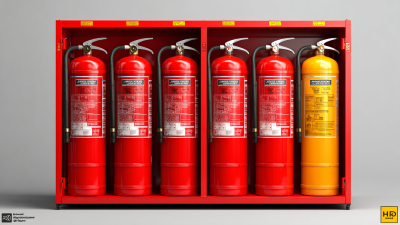
Tips: Schedule monthly checks of alarms and extinguishers. Document maintenance visits for accountability. This transparency builds a culture of safety within your organization.