How to Choose the Right Safety Harness for Your Needs
Choosing a Safety Harness is not about picking the most padded model or the one with the longest feature list. The right choice depends on the work, the wearer, and the equipment it must connect to. A roofer moving along a sloped surface may need different fit and attachment options than a technician working from a lift. Even a short task deserves careful thought.
OSHA’s fall-protection standard states, “Personal fall arrest systems shall be inspected prior to each use for wear, damage and other deterioration.” That practical instruction points to a larger truth: a harness is part of a system, not a standalone guarantee. Check that its size suits the wearer, its straps sit correctly, and its connectors match the intended setup. A harness hanging unused in a truck can look fine and still deserve close inspection. Small details matter.
This guide explains how to compare harness types, fit, materials, ratings, and job-specific features. It also covers inspection and care, because comfort and condition affect whether equipment is used correctly. A checklist helps, but it cannot replace training or a careful fit check. That part is easy to rush. Don’t. The best Safety Harness is the one suited to the task, properly fitted, and maintained according to its manufacturer’s instructions.
Understanding Safety Harness Types and Their Intended Uses
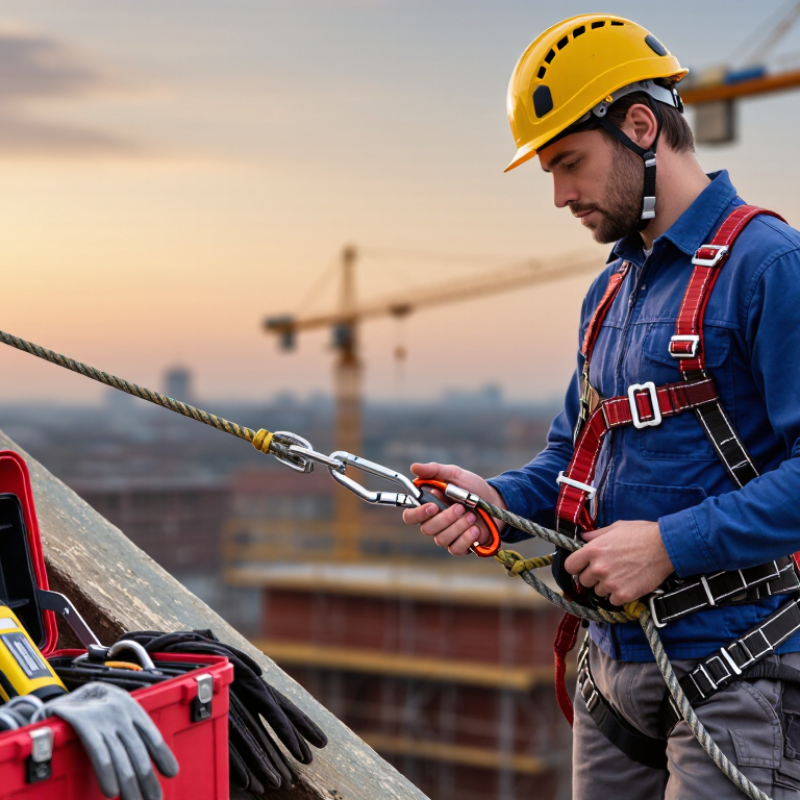
A full-body fall-arrest harness is designed to distribute forces across the body if a worker falls. It is commonly used on rooftops, elevated platforms, and other exposed work areas. The harness must connect to a compatible anchorage and fall-protection system. Fit matters. Straps should lie flat, buckles should be secured, and the harness should not restrict movement or breathing.
A work-positioning harness supports a worker while they lean into a task, such as maintaining a pole or working against a structure. It does not automatically replace fall-arrest protection when a fall is possible. Restraint systems serve a different purpose: they limit how far a person can travel, keeping them away from an edge. For confined-space tasks, a harness may be configured for retrieval, with attachment points suited to lifting or lowering. Check the equipment instructions; attachment points are not interchangeable.
It is tempting to choose by job title alone. That can miss important details. Consider the task, fall distance, anchorage location, other connected equipment, and how a suspended worker could be rescued. Inspect the harness before each use for cuts, frayed stitching, damaged buckles, or chemical exposure. If its history is uncertain, do not guess. Remove it from service and ask a qualified safety professional to assess the setup and fit.
Assessing Workplace Hazards and Applicable Safety Requirements
Choosing a safety harness starts with the hazards, not the label. Identify where workers could fall, how they move, and what anchor points are available. A roof edge, a narrow platform, and a lift can require different setups. Check fall clearance: a worker may still hit a lower level if the lanyard deploys and there is not enough space below. Consider swing-fall risks too, especially when the anchor sits far to one side.
Applicable requirements depend on the task and location. Check current workplace rules, equipment instructions, and your site’s fall-protection plan. A qualified safety professional can help confirm that the harness, connectors, and anchor work together. Fit matters. Straps should lie flat, and the chest and leg buckles should be adjusted as instructed. A common oversight is choosing equipment before checking rescue arrangements. That deserves a second look: after a fall, prompt, planned rescue matters.
Tips: Before work, inspect webbing for cuts, stitching for damage, and labels for legibility. Recheck fit over the clothing workers will wear. If any part is unclear or damaged, stop and get guidance. Small details matter.
Matching Harness Features to Tasks and Work Environments
A safety harness should match the task, not just the worker’s size. Fall arrest, work positioning, and travel restraint require different setups. A full-body harness is used for fall arrest; a simple waist belt is not a substitute. Check the harness instructions and make sure its attachment points suit the equipment and work method. Fit matters. Straps should lie flat, with buckles secured and enough adjustment for the clothing worn on site.
The work environment changes what features matter. On a roof, consider edge exposure, anchor location, and the room needed to stop a fall. A short lanyard may reduce swing risk, but it still needs to match the anchor and task. In hot conditions, breathable materials can help, though comfort should never outweigh compatibility or secure fit. Around machinery or tight access points, avoid loose straps that could snag. Small details matter.
Before each use, inspect webbing for cuts, fraying, chemical damage, or stiff areas. Check stitching, buckles, labels, and attachment points. Remove questionable equipment from service and follow its manufacturer’s inspection guidance. Workers should practice adjusting the harness and understand how a rescue will be carried out after a fall. That plan can be overlooked when teams focus only on selecting gear. A harness can feel awkward at first; take time to adjust it properly rather than accepting a poor fit.
Checking Fit, Sizing, and Compatibility With Other Equipment
A safety harness should fit your body, not just match the size printed on its label. Check the manufacturer’s sizing chart, then adjust the shoulder, chest, and leg straps while wearing the clothing you use at work. Webbing should lie flat, with no twists. The leg straps should feel secure without pinching, and you should be able to move, crouch, and reach. A second person can often spot loose straps you miss. Small detail, big difference.
Fit also depends on where the harness’s attachment point sits. On a full-body harness, the dorsal D-ring should rest between the shoulder blades, not low on the back. Follow the harness instructions for adjustment and inspection, and ask a trained safety professional if the fit remains uncertain. A quick tug is not a complete fit check. I used to think a snug waist meant everything was right; that was a poor shortcut, since many harness designs do not rely on a waist belt for fall-arrest fit.
Tips: Check compatibility as a system. Confirm that the harness attachment point works with the connector and lanyard or self-retracting device you plan to use. Make sure gates close fully and connectors do not press against an edge or load sideways. Also verify required clearance and rescue arrangements for the actual work area. Different equipment can fit together physically yet still be unsuitable as a combination. When in doubt, pause and consult the equipment instructions or a qualified person.
Evaluating Harness Quality, Inspection, and Maintenance Needs
Choosing a safety harness means checking more than its appearance. Examine the webbing for cuts, fraying, burns, chemical stains, or stiff patches. Look closely. Stitching should be intact, and buckles should close and adjust smoothly without bending or sticking. Check that labels remain readable; they identify the harness and provide essential use and care information. Fit matters, too. Straps should sit flat and snug, without restricting movement or leaving excessive slack.
Inspect the harness before each use, following the manufacturer’s instructions. Run your fingers along the webbing and check every connection point, buckle, and attachment area. A clean harness can still hide damage. If you find a defect, or the harness has arrested a fall, stop using it and set it aside for assessment. Don’t sew, tape, or modify damaged equipment. Have inspections and maintenance handled by a person with appropriate training, and keep clear records. Store the harness dry, away from sharp edges, direct heat, and chemicals. I’ve seen small storage habits overlooked; they can matter more than a quick wipe-down.
Tips: Make inspection part of putting on the harness. Check the fit again after adjustment, and keep the care instructions nearby. When unsure, don’t guess.