
Top 10 Fire Protection Cabinet Manufacturers for Buyers
Choosing a fire protection cabinet manufacturer is not just a price comparison. The right cabinet must fit the equipment, the building, and the conditions at the installation site. Fire Protection Cabinets may hold extinguishers, hoses, or other emergency equipment, depending on their design. A cabinet that looks suitable in a catalog may prove awkward in a narrow corridor or exposed loading area.
This guide introduces ten manufacturers for buyers to consider. It focuses on practical factors: material and finish, dimensions, mounting options, door and latch design, visibility, customization, and product documentation. A powder-coated steel cabinet, for example, may suit one indoor setting, while another location may call for different materials or protection against moisture. Fit matters. So does clear access when seconds count.
Manufacturer claims deserve a closer look. Buyers can compare published specifications, available drawings, quality controls, production capacity, and support for replacement parts. They should also confirm that each product meets the requirements of their project and local authorities; needs vary by location and application. A long product list is useful, but it does not guarantee a good match. Some details are easy to overlook until installation day. That is worth remembering. This selection is a starting point, not a universal ranking, and supplier capabilities can change. Use it to identify candidates, ask focused questions, and verify the details before placing an order.
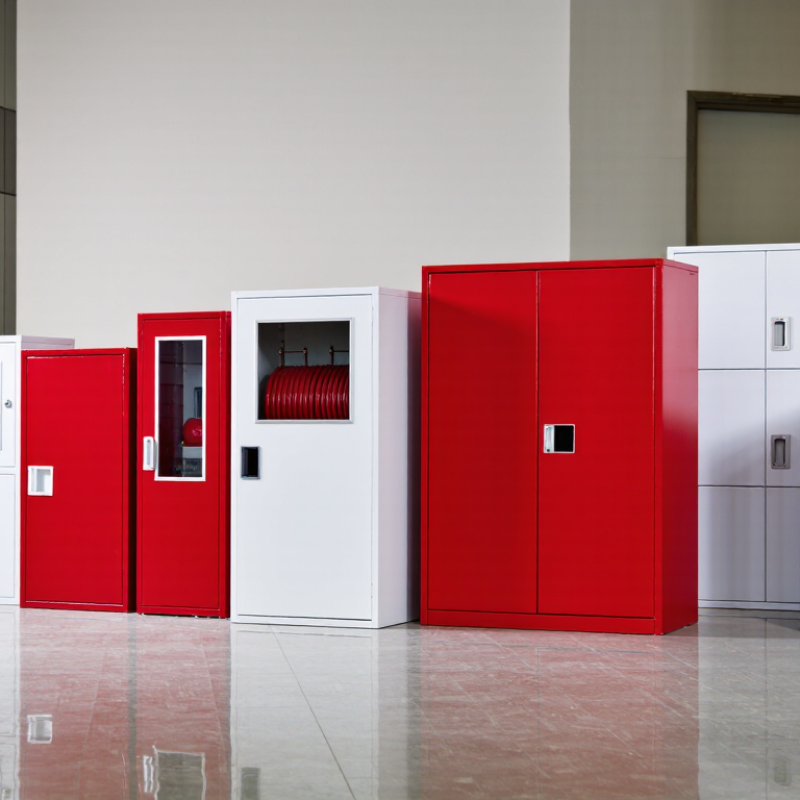
What Fire Protection Cabinets Are and How They Support Safety
Fire protection cabinets house essential response equipment, such as extinguishers, hose connections, and alarm components. They keep equipment visible, protected from knocks, and easier to locate during a stressful moment. The exact contents depend on the building’s hazards and emergency plan. A cabinet is useful only when people can reach it quickly.
The scale of fire risk makes that access important. The National Fire Protection Association’s report “Fire Loss in the United States During 2023” estimated 1,389,000 fires nationwide that year. Cabinets cannot prevent every fire. They can, however, help reduce delays when someone needs equipment. Clear labels, suitable mounting height, and doors that open freely matter. So does keeping corridors clear.
In practice, inspect cabinets for cracked glazing, corroded hinges, blocked access, and missing equipment. Check that stored items match the site’s emergency plan, and arrange required equipment inspections through qualified personnel. Small faults can be easy to overlook. A cabinet may look ready while its contents are not. That is worth questioning. Choosing a cabinet also involves trade-offs: weather resistance, visibility, and secure access may compete, so the installation should suit its location rather than rely on appearance alone.
Top 10 Fire Protection Cabinet Manufacturers for Buyers - What Fire Protection Cabinets Are and How They Support Safety
Buyer-oriented comparison of common fire protection cabinet types and applications; this is not a ranked manufacturer list.
| No. | Cabinet type | Typical contents or use | Common design considerations | How it supports safety | Buyer checks |
|---|---|---|---|---|---|
| 1 | Fire extinguisher cabinet | One or more portable fire extinguishers. | Wall-recessed or surface-mounted; glazing or a solid door; dimensions matched to the extinguisher. | Keeps extinguishers visible, identifiable, and protected from incidental damage while allowing access. | Confirm extinguisher fit, handle clearance, signage, mounting height, and local access requirements. |
| 2 | Fire hose reel cabinet | A fixed hose reel and associated hose equipment, where the system is installed. | Sized for the reel and hose path; may have a hinged door or open-front design. | Keeps the reel organized and helps users locate and deploy the hose promptly. | Check reel compatibility, door swing, hose deployment clearance, and suitability for the installed system. |
| 3 | Fire hose rack cabinet | Fire hose stored on a rack, with compatible nozzle and fittings as specified for the installation. | Interior layout must suit the hose length, folding method, and supplied equipment. | Protects equipment from everyday damage and keeps components together for emergency use. | Verify hose and fitting dimensions, drainage or ventilation needs, and unobstructed access. |
| 4 | Standpipe valve cabinet | A standpipe hose connection or valve and related equipment, according to the system design. | Must accommodate the installed valve and provide practical access for authorized users. | Makes a standpipe outlet easier to find and helps shield it from accidental impact. | Coordinate cabinet dimensions and location with the approved standpipe drawings and applicable codes. |
| 5 | Combined hose and extinguisher cabinet | A hose reel or hose equipment together with a portable extinguisher. | Separate, clearly identifiable compartments can help organize different equipment types. | Brings multiple firefighting resources together at a designated location. | Check that each item can be removed or deployed without obstructing the other; confirm total cabinet dimensions. |
| 6 | Fire department connection enclosure | Protection or identification for a fire department connection, where an enclosure is specified. | Must suit the connection arrangement and allow firefighters to access and connect equipment. | Helps protect and identify connection components used by responding fire crews. | Confirm connection type, signage, clearance, weather exposure, and approval by the relevant authority. |
| 7 | Fire blanket cabinet | A fire blanket intended for the locations and uses specified by the site safety plan. | Compact, clearly marked, and designed for quick removal of the blanket. | Keeps the blanket in a known, accessible place for appropriate small-fire or clothing-fire response. | Check blanket size, instructions, visibility, and whether the proposed location is appropriate for its intended use. |
| 8 | Firefighting tools cabinet | Designated tools such as an axe, wrench, or other site-approved emergency equipment. | Internal brackets or hooks should match the tools and keep them secure in storage. | Keeps emergency tools organized and reduces the time needed to locate them. | Specify the exact contents, retention method, access arrangements, and inspection process. |
| 9 | Emergency breathing apparatus cabinet | Self-contained breathing apparatus or related emergency respiratory equipment, where provided by the facility. | Requires equipment-specific space, secure supports, and storage conditions set by the equipment supplier. | Provides a designated storage point for specialized emergency equipment. | Confirm cabinet suitability with the equipment supplier and site emergency plan; storage does not replace training or inspection. |
| 10 | Outdoor fire equipment cabinet | Specified fire-response equipment stored outdoors or in an exposed service area. | Material, finish, seals, and drainage should be selected for the actual exposure and equipment stored. | Helps shield stored equipment from weather and environmental exposure when the cabinet is appropriately specified. | Check corrosion resistance, water management, temperature limits, locking arrangements, and inspection access. |
Note: Cabinet features, required equipment, installation, and access rules vary by application and jurisdiction. Confirm the project design and local requirements with the authority having jurisdiction and qualified fire-protection professionals.
Related Posts
-
How to Enhance Your Home’s Fire and Safety Measures Effectively
-
Global Trust in Chinese-Made: The Ultimate Fire Extinguisher for Your Equipment Needs
-
What is Fire Prevention Equipment and Why is it Essential?
-
China Best Fire Extinguisher For Equipment Buying Guide
-
China Best Life Safety Equipment Manufacturers?
-

Unique Styles of Fire Extinguishers That Excel in Equipment Protection