Top Fire Protection Products You Need for Home and Business Safety
As the frequency of fire incidents continues to pose a significant threat to both residential and commercial properties, the importance of effective fire protection products cannot be overstated. According to the National Fire Protection Association (NFPA), U.S. fire departments responded to approximately 1.3 million fires in 2020 alone, resulting in over $21 billion in property damage. This alarming statistic underscores the necessity of equipping homes and businesses with reliable fire protection solutions to mitigate risks and enhance safety.
Fire protection products encompass a range of essential tools and systems designed to detect, prevent, and suppress fires. From smoke detectors and fire extinguishers to sprinkler systems and fire alarms, these products are critical for safeguarding lives and property. A report by the National Fire Protection Association highlights that smoke alarms can cut the risk of dying in a reported fire by half, reinforcing the argument that investing in such devices is not just a precaution but a lifesaving measure.
In the pursuit of creating safer environments, it is crucial for property owners to stay informed about the latest advancements in fire protection technology and to ensure that they are adequately equipped with the necessary fire protection products. By prioritizing fire safety, individuals and businesses can significantly reduce their vulnerability to fire hazards and promote a culture of preparedness.
Essential Fire Safety Products for Residential Properties
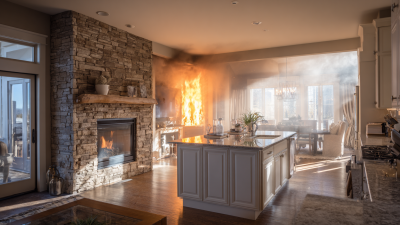
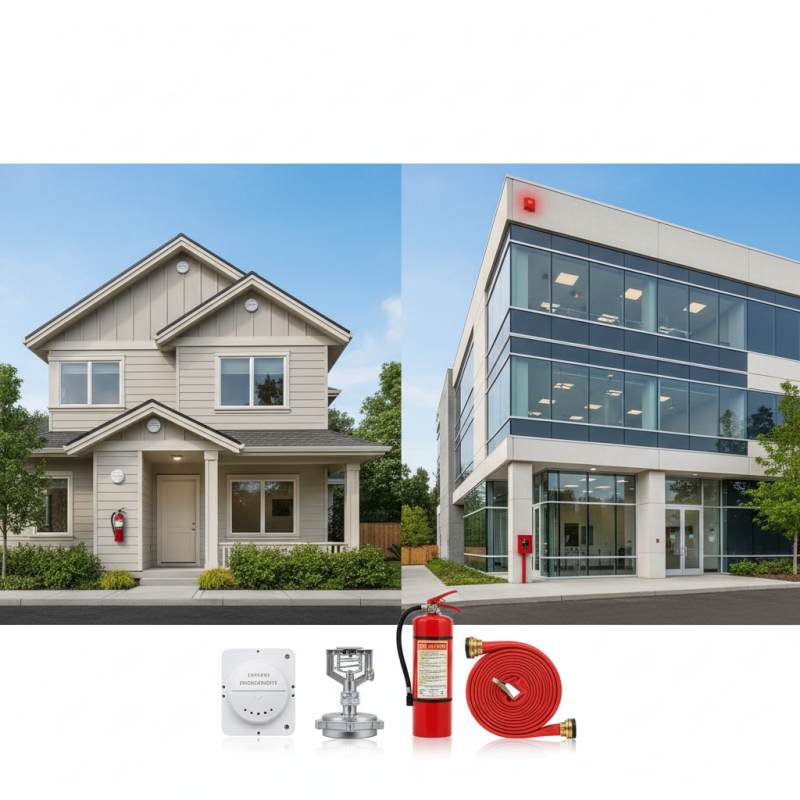
When it comes to ensuring safety in residential properties, having the right fire protection products is crucial. One of the most essential items is a reliable smoke detector. These devices provide an early warning system, alerting occupants to smoke and potential fires, which can be lifesaving. It's important to install them in key areas such as hallways, bedrooms, and kitchens, and to regularly test and replace batteries to ensure they function effectively.
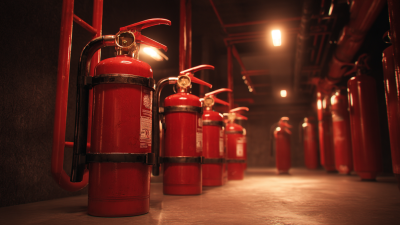
Another vital component of fire safety in homes is a multipurpose fire extinguisher. Homeowners should choose extinguishers rated for different types of fires (such as those caused by wood, flammable liquids, or electrical equipment). It's imperative that these extinguishers are easily accessible and that all family members are familiar with how to use them. Additionally, having a well-defined evacuation plan that includes escape routes and designated meeting points can significantly enhance safety measures, ensuring that everyone knows how to respond quickly and efficiently in the event of a fire emergency.
Key Fire Protection Equipment for Commercial Establishments
When it comes to protecting your commercial establishment from fire hazards, understanding the essential fire protection equipment is critical. According to the National Fire Protection Association (NFPA), businesses account for nearly 30% of all reported fires in the United States, emphasizing the need for effective fire safety measures. Key components such as fire extinguishers, fire alarms, and sprinkler systems form the backbone of a comprehensive fire protection strategy that can mitigate risks and safeguard lives.
Fire extinguishers should be strategically distributed throughout any commercial space, with an estimated 2.3 million fire extinguishers in use across U.S. businesses alone. They are crucial for immediate response to small fires before they escalate. Moreover, the installation of automated fire alarm systems is imperative, offering early warnings that can reduce the risk of loss and injury. According to a recent report, businesses with monitored fire alarms experience 40% fewer fire-related injuries than those without them. Additionally, sprinkler systems can significantly minimize property damage, with studies showing that they are effective in 97% of fires in commercial buildings.
Investing in fire protection equipment not only complies with local regulations but also enhances the overall safety of your business environment. Regular maintenance and training employees on how to use fire safety equipment can further increase safety and preparedness in the event of a fire, ultimately fostering a culture of safety that can prevent devastating consequences.
Top Fire Protection Products You Need for Home and Business Safety
Understanding Fire Alarm Systems and Their Importance
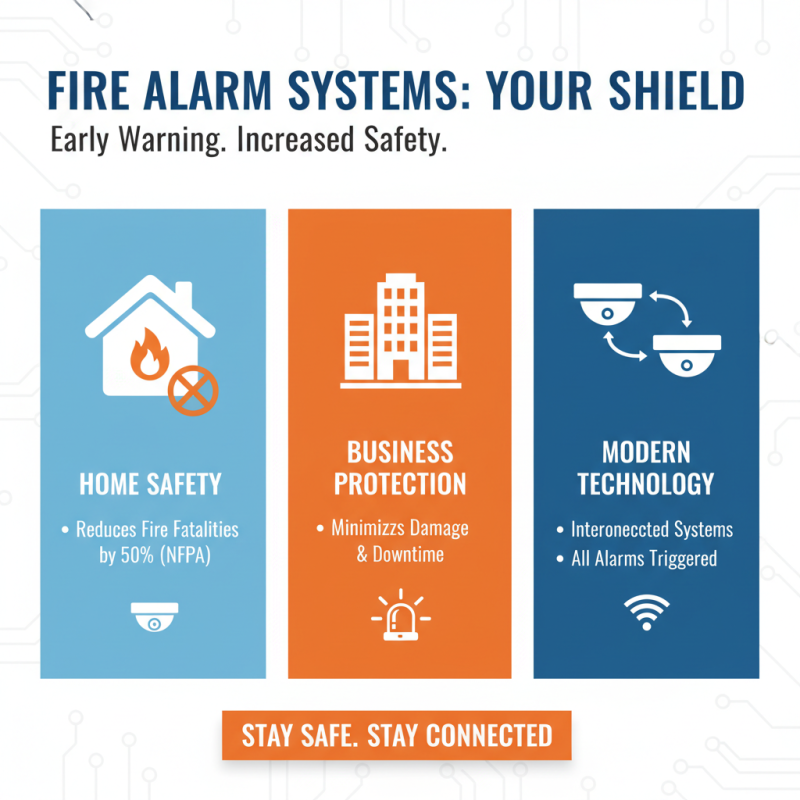
Fire alarm systems play a crucial role in ensuring safety for both homes and businesses. According to the National Fire Protection Association (NFPA), smoke alarms reduce the risk of dying in a fire by 50%. This statistic underscores the importance of having a reliable fire alarm system in place. The technology behind modern fire alarms has advanced significantly, featuring interconnected systems that allow multiple alarms to communicate with one another. This means that when one alarm is triggered, others will also activate, providing an early warning of danger even in different areas of a property.
In addition to traditional smoke detectors, fire alarm systems often include heat sensors, carbon monoxide detectors, and advanced monitoring services. Data from the NFPA indicates that in 2019, U.S. fire departments responded to an estimated 1.3 million fires, emphasizing the necessity for effective alarm systems. Furthermore, businesses are often required by law to install and maintain functioning fire alarm systems to ensure the safety of employees and customers, as well as to protect their assets. Regular testing and maintenance of these systems are vital, as research shows that more than 30% of smoke alarms fail to operate due to missing or dead batteries. By understanding and investing in a comprehensive fire alarm system, individuals and organizations can significantly enhance their fire safety measures.
Choosing the Right Fire Extinguishers for Home and Business
When selecting fire extinguishers for your home and business, it's crucial to understand the various types available and their specific uses. Fire extinguishers are categorized primarily into five classes: A, B, C, D, and K. Class A extinguishers are suitable for ordinary combustible materials like wood and paper, while Class B extinguishers are designed for flammable liquids such as gasoline and oil. Class C extinguishers are essential for electrical fires, and Class K extinguishers are specifically meant for cooking oils and fats. Understanding these distinctions helps ensure you choose the right extinguisher for the potential hazards present in your environment.
In addition to selecting the appropriate class of fire extinguisher, consider the size and accessibility of the device. For residential settings, a multipurpose extinguisher rated for both Class A and B fires can be a practical choice. In commercial areas, it's essential to assess the layout and ensure that extinguishers are readily accessible, ideally located near exit points or high-risk areas. Regular inspections and maintenance are also vital; ensure extinguishers are fully charged and functional, as this preparedness can significantly enhance safety and response effectiveness in the event of a fire emergency.
Fire Safety Training and Emergency Preparedness Tools
Fire safety training and emergency preparedness are crucial components of any comprehensive fire protection strategy for homes and businesses. The first step in ensuring safety is to conduct regular fire drills and training sessions for all occupants. This practice not only familiarizes everyone with the escape routes and safety protocols, but it also helps to reduce panic and confusion during an actual emergency.
Engaging staff or family members in hands-on training can empower them to respond effectively in case of a fire, providing them with the skills to use fire extinguishers and understand alarm systems.
In addition to training, incorporating emergency preparedness tools is essential for enhancing safety. Creating and maintaining an updated emergency plan that includes contact information, designated meeting spots, and specific roles for individuals during an emergency can significantly improve response times. Also, ensuring that smoke alarms are installed and regularly checked, alongside having accessible fire extinguishers and first aid kits, increases readiness. By fostering a culture of preparedness and regularly updating safety protocols, homes and businesses can better protect their occupants and minimize the potential impact of fire-related incidents.