
Where to Buy the Best Cargo Straps in China?
Finding the right place to buy Cargo Straps in China takes more than comparing prices. Buyers can explore manufacturers, trading companies, and established online B2B platforms. Each option offers different levels of product access, communication, and quality oversight. The best fit depends on your order size, delivery needs, and ability to verify a supplier.
Start with the details that affect real use. Ask about strap width, material, stitching, buckle type, working load information, and available inspection records. Request clear photos or samples. A strap may look sturdy in a catalog, yet details such as frayed edges or uneven stitching matter in practice. Small details count. Confirm packaging, production lead time, and shipping terms in writing before placing an order. If specifications are unclear, pause and ask for clarification.
China has suppliers across major manufacturing and export channels, but a polished listing is not proof of consistent quality. Check the company’s business information, product range, customer references, and response to technical questions. Where practical, arrange a third-party inspection, especially for larger orders. Compare quotations on matching specifications rather than headline price alone; low prices can hide differences in materials or testing. This takes effort. Even experienced buyers can overlook a detail when timelines are tight. A careful sourcing process cannot remove every risk, but it can make supplier comparisons more reliable and help you choose Cargo Straps suited to your application.
Cargo Strap Types and Essential Selection Criteria
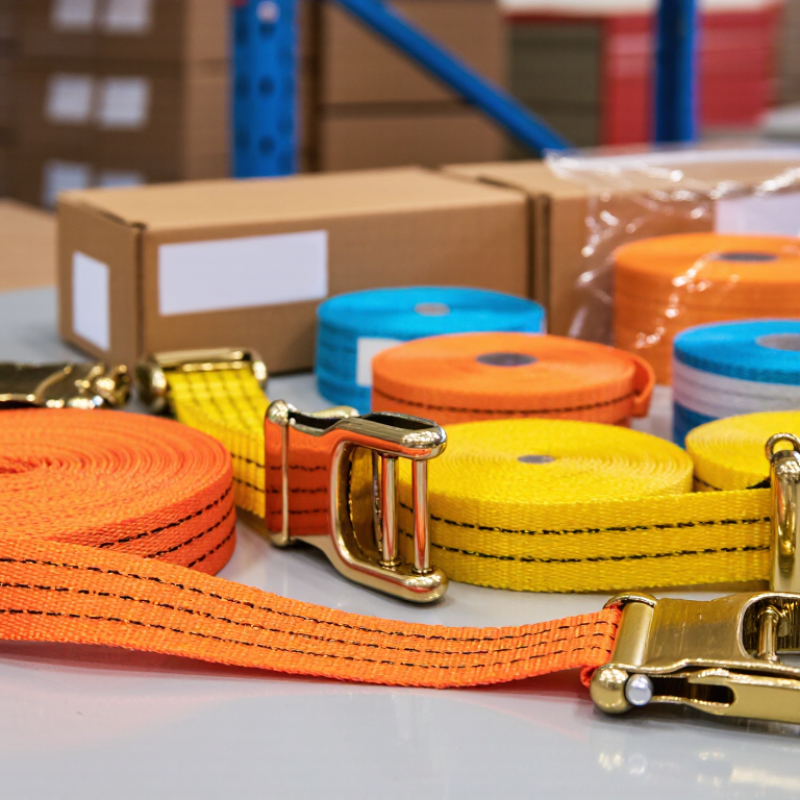
Cargo straps differ in how they tighten and where they work best. Ratchet straps provide strong tension for heavy, stable loads, while cam buckle straps allow quick adjustment for lighter cargo. Endless loop straps wrap around items without metal hooks. For flatbed use, winch straps fit compatible winches and offer controlled tension. Match the strap type to the load and anchor points. A familiar-looking strap can still be the wrong choice.
Check the working load limit, webbing width, strap length, stitching, and hardware before buying. The working load limit should be clearly marked and suitable for the intended setup; do not judge strength by appearance alone. Polyester webbing resists stretching and handles many outdoor conditions, but sunlight, sharp edges, and chemicals can still cause damage. Inspect seams and hooks for rough edges, cracks, or loose stitching. Small defects matter.
When sourcing in China, ask suppliers for product specifications, material details, and traceable inspection records. Request samples and check the labels against the documents. A sample can reveal stiff webbing, weak stitching, or awkward hardware before a larger order. Be precise about load shape and tie-down points. I once assumed a longer strap would solve every fit problem; it only created excess webbing to manage. Verify that straps suit your actual cargo, not just a catalogue photo.
China’s Main Cargo Strap Manufacturing Regions
China’s cargo strap industry is concentrated in several manufacturing belts, each with different strengths. Zhejiang, particularly around Ningbo, Jinhua, and Yiwu, offers dense networks for webbing, buckles, sewing, and export packing. Buyers can compare many configurations without traveling far. That convenience matters. Jiangsu also has established textile and hardware suppliers, while Shandong’s industrial cities support production of webbing and metal components. These regional patterns are useful starting points, not guarantees of quality.
A factory visit or detailed video inspection can reveal more than a catalogue. Ask where the webbing is woven, how buckle strength is tested, and whether stitching is checked by batch. Request samples with clearly stated width, material, working load limit, and breaking strength; these figures should not be treated as interchangeable. Look closely at bar-tack stitching and edge finishing. Small flaws show. Some suppliers coordinate production across multiple workshops, which can make traceability less direct. I would verify the actual production address and ask for recent test records before placing a large order. Delivery distance, customization, and inspection access may matter as much as the province itself.
Where to Find Cargo Strap Suppliers in China
China’s cargo strap suppliers are concentrated around industrial and logistics hubs, where buyers can compare webbing, ratchets, hooks, and stitching in person. The World Bank’s Logistics Performance Index 2023 placed China 19th globally, with a score of 3.7. That reflects a strong logistics environment, not a guarantee that every factory meets your requirements. Ask shortlisted suppliers for factory addresses, production videos, and recent inspection records.
A useful starting point is a manufacturing cluster with several relevant factories, followed by a direct audit or independent inspection. Request samples and check webbing width, stitching consistency, ratchet operation, hook finish, and load-rating labels. The International Maritime Organization’s Cargo Stowage and Securing guidance highlights the importance of suitable securing arrangements; buyers should therefore confirm product specifications against the intended load and transport conditions. Ask for documented test methods and batch traceability, not just a catalogue claim. Small details matter.
The UN Trade and Development’s Review of Maritime Transport 2024 reports that more than 80 percent of world trade by volume moves by sea. This scale makes dependable cargo securing essential across supply chains, but it does not identify the right supplier for you. Compare quotations on equal specifications, including strap length, rated capacity, packaging, and inspection terms. I would not choose on price alone; I have seen how an unclear rating can complicate an otherwise simple order. Verify it.
How to Evaluate Manufacturers and Product Quality
Choosing a cargo strap manufacturer in China takes more than comparing prices. Ask how the webbing is made, what material it uses, and whether the supplier can provide clear load ratings. A professional manufacturer should distinguish working load limits from breaking strength and explain how each figure is tested. Request recent test records, production photos, and samples from the same product specification you plan to order. Check stitching around hooks and ratchets; uneven seams or loose threads deserve questions. Small details matter.
Tips: Test samples under realistic conditions before placing a large order. Inspect the labels, buckle movement, and stitching after repeated tightening. Confirm dimensions, packaging, and inspection criteria in writing. If a supplier avoids specific answers, pause and verify rather than relying on polished sales language.
Factory visits or a live video walkthrough can reveal useful details, such as organized inspection stations and consistent material storage. Still, a neat workshop is not proof of quality. Compare sample results with the written specification, and consider independent inspection for larger shipments. Communication matters too: confirm who handles defects and how replacements are arranged. I have seen buyers focus so heavily on unit price that they overlook freight damage or inconsistent batches. That is an easy mistake to make. A careful supplier review takes time, but it can prevent costly surprises.
Ordering, Shipping, and Verifying Cargo Straps Before Purchase
When asking where to buy cargo straps in China, treat the order as a verification process, not just a price comparison. UNCTAD’s Review of Maritime Transport 2023 notes that over 80% of international trade by volume moves by sea. That makes clear packing details and shipment timing worth checking early.
Request a written quotation showing strap width, material, length, lashing capacity, and packaging quantity. Ask for product photos, a sample, and a test report tied to the same specifications. Check that the label and documentation agree. Small mismatches matter.
Before paying, confirm production lead time, inspection arrangements, shipping terms, and who handles each freight cost. Ask how straps are protected from moisture and abrasion during transit; a damp carton can conceal damage.
For load restraint products, request evidence of testing against applicable standards, such as EN 12195-2, and have a qualified person confirm suitability for your application. A certificate alone is not the whole story.
Inspect stitching, hooks, and labels on arrival, then compare them with the approved sample. Keep the record. I would still inspect the first shipment, even if the sample looked excellent; batches can vary, and that is an inconvenient truth.