What Is an Extinguisher Cabinet and What Types Are There?
An extinguisher cabinet is more than a metal box on a wall. It protects a fire extinguisher from dust, moisture, impact, and unauthorized handling. It also keeps the equipment visible during a stressful emergency. However, a cabinet cannot replace inspection, training, or a properly selected extinguisher.
Dr. Stephen D. Kerber, a respected fire-safety researcher and director of the UL Fire Safety Research Institute, has said, “Fire safety is about giving people the tools and knowledge to act before a small problem becomes a major event.” That principle explains why Extinguisher Cabinets deserve careful attention. A blocked cabinet wastes valuable seconds. A poorly fitted door may delay access. Small details matter.
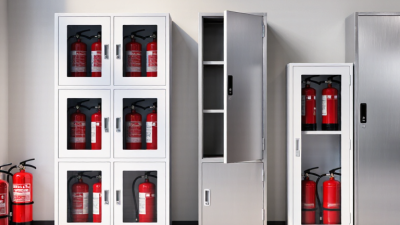
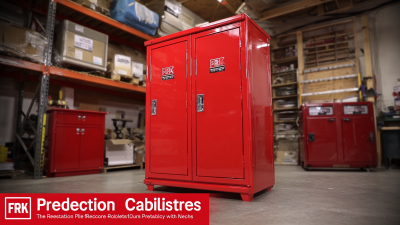
This guide examines what an extinguisher cabinet is and how different types serve different environments. Surface-mounted cabinets sit directly on the wall and suit many corridors, workshops, and commercial spaces. Recessed cabinets fit inside the wall, creating a cleaner appearance while requiring suitable construction space. Semi-recessed models offer a compromise between appearance and accessibility. Weather-resistant cabinets protect equipment in exposed outdoor locations, while specialized cabinets may accommodate larger or wheeled extinguishers.
The choice is not purely visual. Wall material, extinguisher dimensions, operating conditions, visibility, and maintenance access all influence the decision. A cabinet may look polished yet perform poorly if its handle sticks or its label is unclear. That is an uncomfortable point, but an important one.
The sections ahead compare cabinet designs, materials, features, installation considerations, and practical selection criteria. The goal is simple: protect the extinguisher without making emergency access harder.
Extinguisher Cabinets: Purpose, Components, and NFPA 10 Requirements
What Is an Extinguisher Cabinet and What Types Are There?
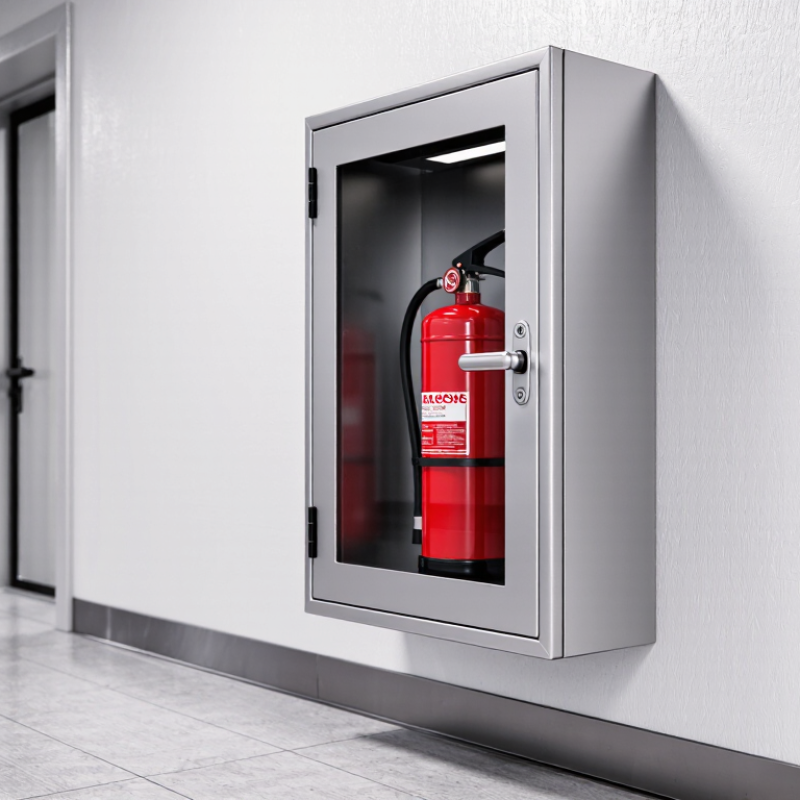
An extinguisher cabinet protects portable extinguishers from dust, impact, moisture, and accidental displacement. Its primary purpose is visibility and fast access during a fire emergency. NFPA 10 requires extinguishers to be conspicuously located, readily accessible, and free from obstruction. A locked cabinet can create dangerous delay unless approved emergency access is provided. That detail is easy to overlook.
Common types include surface-mounted, recessed, and semi-recessed cabinets. Surface models suit finished walls and retrofit projects. Recessed cabinets save corridor space but require suitable wall depth. Outdoor cabinets usually include weather seals, corrosion-resistant materials, and a viewing window. Some sites add alarms or breakable panels, although these features need regular testing. Cabinet size should match the extinguisher’s height, width, hose, and operating clearance. A tight fit is not efficient.
NFPA’s U.S. Fire Loss During 2022 report estimated 1,504,500 fires, with approximately 3,790 civilian deaths and $18.1 billion in direct property damage. These figures do not prove that cabinets prevent fires. They do show why immediate equipment access matters. During inspections, technicians often find blocked cabinets, missing seals, or unclear extinguisher labels. The cabinet may look compliant from a distance, yet fail under pressure. NFPA 10 also calls for visual inspections at least monthly and maintenance annually, unless more frequent attention is needed. Local building and fire authorities may impose additional requirements.
Typical Fire Classes Covered by Extinguisher Types
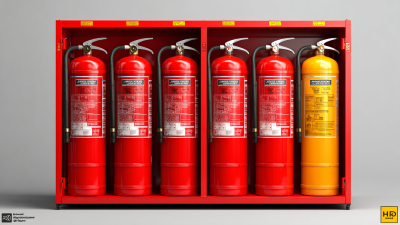
Extinguisher cabinets protect portable extinguishers from damage while keeping them visible and accessible. The chart shows common fire-class coverage associated with major extinguisher types. Actual ratings depend on the extinguisher label, listing, hazard assessment, and applicable NFPA 10 requirements.
Cabinet Types by Environment: Indoor, Outdoor, Weatherproof, and Fire-Rated
An extinguisher cabinet is a protective enclosure for storing a portable fire extinguisher. It keeps the equipment visible, accessible, and protected from accidental damage. The right cabinet depends on the building’s environment, exposure, and fire protection plan. In practice, placement matters as much as appearance. A cabinet hidden behind stored materials is not useful.
Indoor cabinets usually work well in offices, schools, apartments, and conditioned industrial areas. They may use painted steel, stainless steel, or durable plastic. Select a clear front, suitable mounting height, and enough internal space for quick removal.
Outdoor cabinets face rain, sunlight, dust, and temperature changes. They need stronger construction, corrosion resistance, drainage, and secure but accessible hardware. Weatherproof cabinets add tighter seals and protected openings. Seals can age. Check them regularly.
Fire-rated cabinets are designed for locations where the enclosure must support a tested fire-resistance requirement. Their performance depends on the complete assembly, including the door, frame, glazing, hinges, and installation method. Do not assume a heavy cabinet is fire-rated. Ask for test documentation and verify the required rating with the project’s fire protection professional. Local building and fire requirements can differ. A careful installer also checks visibility, clearance, labeling, and inspection access. Small details matter. Selecting by appearance alone is an easy mistake.
Extinguisher Classes and Ratings: A, B, C, D, and K Selection Criteria
What Is an Extinguisher Cabinet and What Types Are There?
An extinguisher cabinet protects equipment from dust, impact, moisture, and careless handling. Common designs include recessed, surface-mounted, and semi-recessed cabinets. Choose one that remains visible and opens quickly. A locked cabinet may slow emergency access, unless an approved emergency-release feature is provided. Glass panels, clear labels, and adequate lighting help users identify the extinguisher immediately.
Class A covers ordinary materials, such as wood, paper, cloth, and many plastics. Its rating indicates tested capacity against these fires.
Class B applies to flammable liquids, including fuels, solvents, and some industrial chemicals. Higher B numbers generally indicate greater tested performance.
Class C concerns energized electrical equipment in many classification systems. The extinguisher must not conduct electricity, and power isolation remains safer whenever possible.
Class D is intended for combustible metals. It requires a specifically tested agent, not a general-purpose unit.
Class K addresses cooking oils and fats. Commercial kitchens often need this protection near fryers and cooking lines.
Selection should match the actual hazard, not cabinet appearance. Review the extinguisher label, rating, travel distance, temperature range, and mounting height. A large cabinet can still contain the wrong class. That mistake happens more often than people expect. Inspectors should also check access paths, corrosion, pressure indicators, and service dates. Classification rules can vary by region, so qualified fire-safety personnel should verify the final choice against current local requirements.
Mounting and Access Rules: NFPA 10’s 5-Foot and 4-Inch Limits
An extinguisher cabinet is a wall-mounted enclosure that protects a portable fire extinguisher while keeping it easy to find.
It may be recessed, semi-recessed, or surface-mounted, depending on wall construction and access needs. A clear panel, label, or contrasting finish helps people locate it during smoke, noise, and confusion.
NFPA 10 sets practical mounting limits.
For an extinguisher weighing 40 pounds or less, its top should be no more than 5 feet above the floor. Heavier units require a lower maximum, commonly 3.5 feet. The bottom must remain at least 4 inches above the floor. This reduces damage, moisture contact, and awkward lifting.
The cabinet door should open fully, with no furniture, deliveries, or decorations blocking it. Measure from the finished floor to the extinguisher, not merely to the cabinet trim. That detail is easy to miss. Yet real corridors are rarely perfect.
Tips:
Mark the five-foot line before drilling. Confirm the extinguisher’s gross weight, not only its agent capacity. Recheck the cabinet after renovations or floor changes. A qualified fire-protection professional should verify the final installation against the current adopted requirements.