What Are the Top Types of Life Safety Equipment?
Life Safety Equipment is the practical layer between an emergency and its worst consequences. It includes fire alarms, sprinklers, extinguishers, emergency lighting, first-aid supplies, and protective equipment. These tools serve different purposes: some detect danger, some support evacuation, and others help limit harm. No device works by itself. Placement, maintenance, training, and clear procedures matter just as much.
The risks are not abstract. The National Fire Protection Association’s report Fire Loss in the United States During 2023 estimated that U.S. fire departments responded to 1,389,000 fires that year. The report also recorded 3,670 civilian fire deaths and 13,350 civilian injuries. Those figures describe one country and one hazard, not every workplace or building. Still, they show why reliable detection and response equipment deserves serious attention. OSHA’s guidance on emergency action plans also emphasizes evacuation procedures, alarm systems, and employee training. A hallway light that stays visible through smoke can matter. So can an alarm that people recognize and act upon.
This guide examines the top types of life safety equipment, what each is designed to do, and where its limits begin. It considers fire protection, medical response, evacuation, and personal protection without treating any product as a universal fix. That distinction matters. A checklist may look complete while equipment is expired, blocked, or unfamiliar to the people who need it. The uncomfortable question is not only what a site owns, but whether someone can use it under pressure.
Fire Alarm and Smoke Detection Systems: Working Alarms Cut Death Rates by 55%
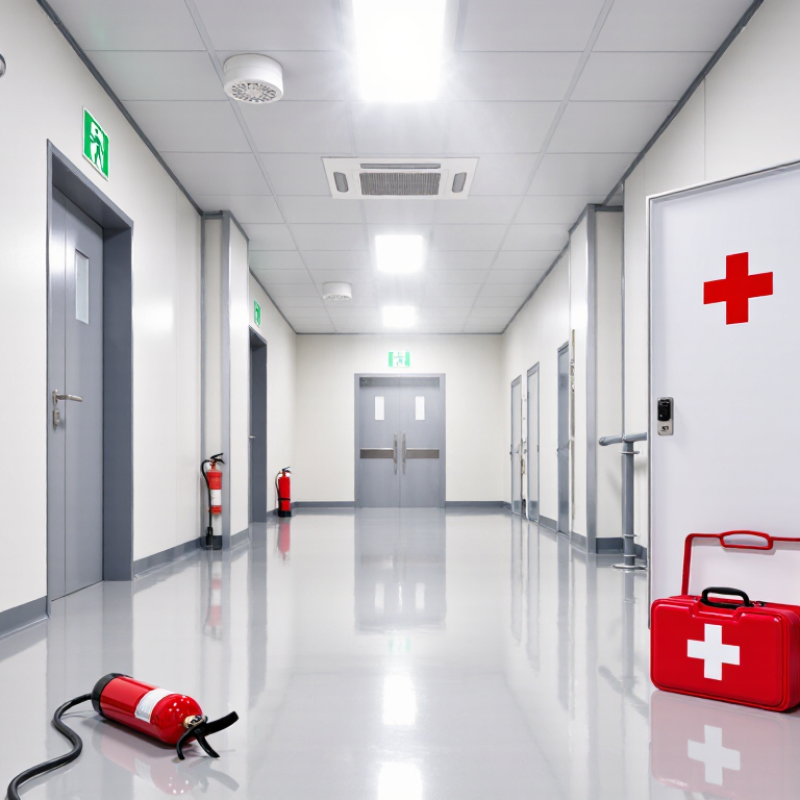
Fire alarms and smoke detectors are core life safety equipment because they give people time to react. A functioning alarm can warn residents before smoke fills a hallway or blocks an exit. The 55% reduction in deaths cited for working alarms is a powerful reminder of their value, though results vary by study, building, and response. An alarm cannot control a fire. It can make an earlier escape possible.
Test alarms regularly using the test button, and replace batteries or units as directed by the manufacturer. Keep detectors clear of dust, paint, and obstructions. In a home, alarms should be placed near sleeping areas and on each level, following local guidance. A small detail matters: people sometimes remove batteries after nuisance alarms and forget to replace them. That gap can be critical.
Tips: Test each alarm monthly, plan two escape routes from sleeping areas, and practice leaving without collecting belongings. If an alarm sounds, get outside and call emergency services from a safe location. Don’t re-enter to investigate.
Automatic Fire Sprinklers: NFPA Reports 89% Lower Home-Fire Death Rates
Automatic fire sprinklers are among the most effective forms of home life-safety equipment. They respond to heat near a fire, releasing water before flames can spread through a room. NFPA’s U.S. Experience with Sprinklers report, analyzing 2015–2019 fire data, found that the death rate per reported home fire was 89% lower in homes with sprinklers than in homes without them. That matters. The figure describes reported fires, not a guarantee for every household, and sprinklers work best alongside smoke alarms and clear escape routes.
A sprinkler head usually activates individually, limiting water to the area where heat triggers it. This can help control a fire while people leave or call emergency services. NFPA also reports that sprinklers operated in 92% of fires large enough to activate them; when they operated, they were effective in 96% of cases. Still, equipment can be blocked, damaged, or poorly maintained. It is worth checking the details, not just assuming the system is ready.
Tips: Keep sprinkler heads clear of shelves and decorations, and never paint or cover them. Follow the system’s inspection and maintenance guidance. Test smoke alarms regularly, and make sure everyone knows two ways out. A small check can matter.
Portable Fire Extinguishers: OSHA Sets a 75-Foot Class A Travel Limit
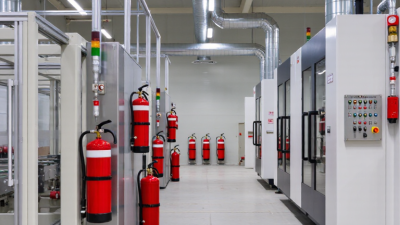
For workplaces with portable extinguishers provided for employee use, OSHA limits travel distance to a Class A extinguisher to 75 feet. Class A fires involve ordinary combustibles, such as paper, wood, and cloth. The rule appears in OSHA’s general-industry standard, 29 CFR 1910.157(d)(2). It measures how far someone must travel from a point in the protected area to the nearest extinguisher—not simply the distance between wall-mounted units.
That distinction matters. A cabinet may look close on a floor plan, yet stored materials, partitions, or equipment can lengthen the route. Walk the actual paths employees use, and check areas behind shelving or around workstations. Keep extinguishers visible, accessible, and suitable for the hazards present; follow applicable inspection and maintenance requirements. The 75-foot limit is not a substitute for training, an emergency action plan, or a safe evacuation decision. Don’t expect workers to fight a fire that is growing or blocking their exit. The measurement seems straightforward. Real rooms rarely are. Recheck placement when layouts change, since a new storage rack can quietly turn a compliant route into a longer one.
Emergency Lighting: NFPA 101 Requires 90 Minutes of Backup Illumination
What Are the Top Types of Life Safety Equipment?
Emergency lighting is a core life-safety measure when normal power fails. NFPA 101, Life Safety Code, requires emergency illumination for designated egress routes to operate for at least 90 minutes. Its criteria also specify light levels along the walking surface, not just near the fixtures. That matters in practice: a lit exit sign does not necessarily make a dim corridor safe to cross. The U.S. Energy Information Administration reported that American electricity customers averaged 5.5 hours of interruptions in 2022, including major events. That national figure is not a prediction for any one building, but it shows why backup lighting must be ready for prolonged outages.
A common weak point is assuming that a recent installation guarantees reliable performance. Batteries age, lamps fail, and a blocked fixture can leave a stair landing in shadow. NFPA 101 includes testing and maintenance provisions; building teams should follow the applicable code edition and document results. A brief monthly function check can reveal obvious failures, while longer-duration testing helps confirm that units can sustain operation. Small gaps matter.
Tips: Test units on their backup supply, not only from the wall switch. Check stairwells, changes in floor level, and exit access routes. Record failed lights and repair them promptly. If a test log looks perfect every time, review whether the test itself is thorough enough.
Emergency Lighting: NFPA 101 Illumination Levels
NFPA 101 requires emergency lighting to operate for at least 90 minutes. The required illumination levels are higher at the start and must remain above specified minimums at the end of the 90-minute period.
Illumination is measured at floor level in foot-candles (fc). Requirements may vary by adopted code edition and local jurisdiction.
AEDs and First Aid: Each Defibrillation Delay Minute Cuts Survival by 7–10%
An automated external defibrillator (AED) can turn a nearby response into an immediate one. The American Heart Association notes that each minute of defibrillation delay can reduce survival by 7–10%. Minutes matter. A 2024 AHA statistical update estimates about 356,000 adult out-of-hospital cardiac arrests occur annually in the United States. Survival remains low. Keep AEDs visible, unlocked, and near places where people gather, such as gym entrances or reception desks. Pair them with first-aid kits containing gloves, dressings, and basic wound-care supplies.
An AED guides users with voice prompts and analyzes the heart rhythm; it does not replace CPR. Start CPR while someone retrieves the device, then follow its instructions. The 2004 New England Journal of Medicine Public Access Defibrillation Trial found that trained responders using AEDs alongside CPR nearly doubled survival to hospital discharge in public settings, compared with CPR alone. The finding supports readiness, not complacency. Real rooms are messy. A cabinet may be blocked, or staff may not know who calls emergency services. Regular checks, clear access, and brief practice can expose those gaps before an emergency.