Why Are Fire Products Important for Every Business?

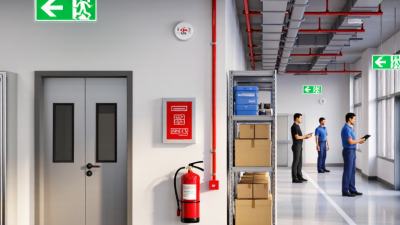
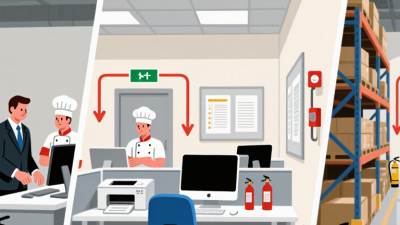
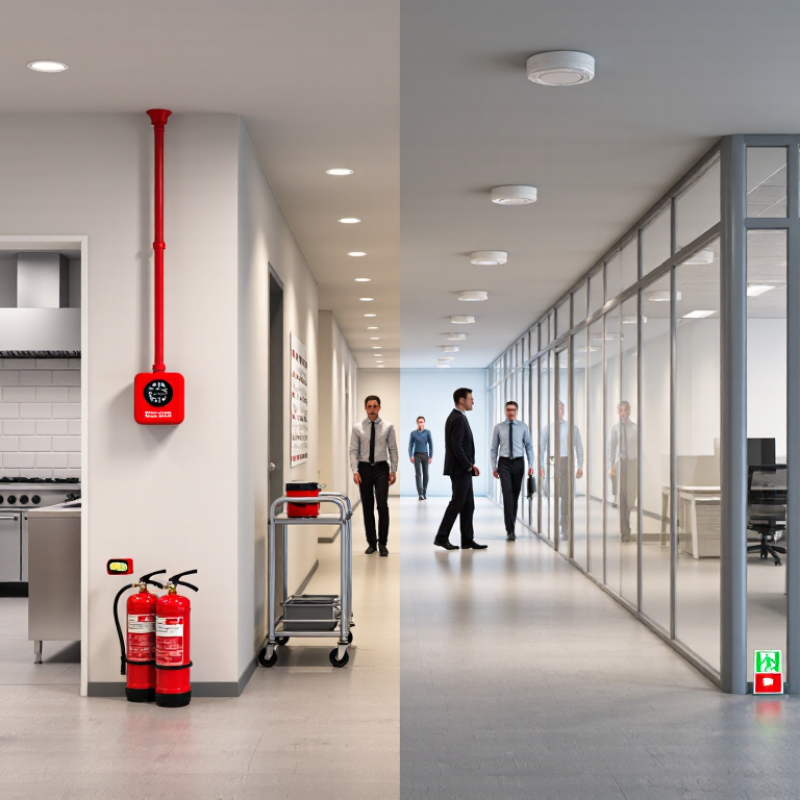
Every business depends on people, equipment, and spaces working safely together. Fire Products help protect that everyday operation. They include alarms, extinguishers, emergency lighting, and clearly marked exit routes. In a small café, a working alarm above the kitchen and an accessible extinguisher near—but not inside—the cooking area can make a real difference. In an office, visible exit signs and tested alarms help staff respond when visibility drops and confusion rises.

Benjamin Franklin, a fire-prevention pioneer, famously wrote, “An ounce of prevention is worth a pound of cure.” His words still fit. Fire Products are most valuable when they are selected for the actual risks, installed correctly, and maintained over time. A device on a wall is not protection if nobody checks it, knows how to use it, or can reach it quickly. That detail is easy to overlook.

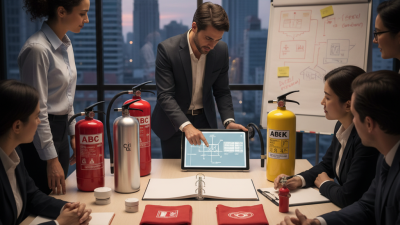
For business owners, choosing suitable Fire Products is only part of the work. Staff need clear instructions, routine checks, and practice responding to alarms. A blocked exit, a dead detector battery, or an extinguisher hidden behind stock can undermine a careful plan. And no product removes every risk. Businesses should review their premises, follow applicable safety requirements, and seek qualified fire-safety guidance when needed. The honest measure is not how much equipment a business owns, but whether its people can act safely when seconds matter.
Why Are Fire Products Important for Every Business?

What Fire Products Include in a Business Setting

What Fire Products Include in a Business Setting

Fire products are the equipment and systems that detect danger, slow its spread, and help people leave safely. A small office may need smoke detectors, alarm sounders, portable extinguishers, emergency lights, and clear exit signs. A kitchen or workshop may also require suitable suppression equipment. The right setup depends on the building, its activities, and the materials stored inside.

NFPA estimated that U.S. fire departments responded to 1,504,500 fires in 2022, causing 3,790 civilian deaths and about $18 billion in direct property damage. These figures, published in NFPA’s Fire Loss in the United States During 2022 report, show why basic equipment deserves careful planning.

Sprinkler systems can control fires in many buildings, while fire doors help limit smoke and flames between areas. Detection systems give staff an earlier warning. Every item has a role.

Equipment alone is not enough. Staff need to know where extinguishers hang, how alarms sound, and which exits remain clear. A monthly walk-through can reveal a blocked sign or a pressure gauge that needs attention. That detail is easy to miss.

Inspection and maintenance records also help managers spot recurring problems. Sometimes, the plan looks complete on paper but feels confusing during a real drill. That deserves a second look.

Which Fire Risks Businesses Need to Address

Fire risks often begin in ordinary places: a crowded electrical outlet, a greasy extraction hood, or a heater beside stacked packaging. Overloaded circuits and damaged cables can create heat before anyone notices smoke. Kitchens add risks from unattended cooking and grease buildup. Workshops may have sparks from maintenance, flammable liquids, or fine dust that gathers on ledges and machinery. Battery charging areas also deserve attention, especially when equipment is damaged or ventilation is poor.

Small gaps matter.

A fire alarm cannot prevent ignition, but prompt detection can give people time to respond. Suitable extinguishers, fire blankets, and automatic suppression systems can help control specific hazards when workers know how to use them. Keep exits clear, and check that emergency lighting works during power loss. Match equipment to the actual fire risks; one extinguisher type is not right for every setting. Review storage, cleaning, and charging routines as workspaces change. It is easy to assume a familiar room is safe, yet a new appliance or temporary stack of cartons can alter the risk. That assumption deserves a second look. Regular inspections should record faults and confirm that alarms, doors, and protective equipment remain accessible.

How Fire Products Detect, Contain, and Suppress Fires

A fire system works as a chain: detect, contain, then suppress. Smoke detectors sense airborne particles and trigger alarms, giving staff time to leave before corridors fill with smoke. Heat detectors can suit dusty or steamy rooms where smoke alarms may cause false alerts. In a storeroom, an alarm near the exit can matter; a blocked sounder or dead battery can undo that advantage. Small details count.

Containment slows fire and smoke from moving between rooms. Fire doors, dampers, and sealed service openings help preserve escape routes and limit damage. Suppression systems then respond at the source. NFPA’s 2021 report, U.S. Experience with Sprinklers, found that reported fires in properties with sprinklers had an 87% lower civilian death rate and 68% less property damage per fire than fires without them. That is a meaningful difference, not a guarantee: blocked sprinkler heads, closed valves, or poor maintenance can compromise performance.

NFPA estimated 1.39 million U.S. fires in 2023, underscoring how quickly an incident can become a business interruption. Detection, containment, and suppression work best together, supported by routine testing and clear staff procedures. A weekly inspection may reveal a wedged fire door or an obstructed alarm. These checks can feel mundane. They are easy to postpone, and that is precisely why they need owners and records.

Why Are Fire Products Important for Every Business? — How Fire Products Detect, Contain, and Suppress Fires
Fire Product Primary Role How It Works Typical Business Application Important Limitation or Action
Smoke detectors Detect and alert Sense smoke particles and trigger an audible or connected alarm, depending on the system. Offices, corridors, storage areas, and other locations identified by the building’s fire-safety design. They warn occupants but do not put out a fire. Selection and placement should account for the environment and applicable codes.
Heat detectors Detect and alert Respond when temperature reaches a set point or rises rapidly, depending on the detector type. Areas where smoke, dust, or cooking processes may make smoke detection unsuitable, as determined by a qualified design. They generally respond to heat rather than smoke, so they may provide less early warning than smoke detectors in some fires.
Manual fire-alarm call points Enable people to raise an alarm Allow someone who discovers a fire to activate the building’s fire-alarm system manually. Along escape routes and near exits, in locations selected to meet local requirements. They rely on a person taking action and do not detect or suppress fires automatically.
Fire doors and smoke-control doors Contain fire and smoke When correctly installed and closed, fire-rated doors help limit the spread of fire and smoke between areas. Protected stairways, corridors, compartment boundaries, and openings specified in the building design. They do not extinguish a fire. Keep them unobstructed and ensure self-closing and latching components work as intended.
Automatic sprinkler systems Control or suppress fire Heat-sensitive sprinkler heads generally operate individually when exposed to sufficient heat, discharging water in the affected area. Many commercial buildings, with system design tailored to the building, occupancy, hazards, and applicable standards. Sprinklers need an adequate water supply and inspection. They are not a substitute for alarms, evacuation plans, or fire-service response.
Portable fire extinguishers Allow trained people to tackle a small fire Discharge an extinguishing agent selected for a particular fire class or hazard. Accessible locations identified through a workplace fire-risk assessment. Use only when trained, the extinguisher is suitable, and a safe escape route remains available. Evacuate and raise the alarm if conditions are unsafe.
Fire blankets Smother certain small fires A fire-resistant blanket can help cut off oxygen to a small, contained fire when used correctly. Some kitchens, workshops, or other areas where the risk assessment identifies a suitable use. They are not suitable for every fire. Follow training and the product instructions; evacuate if the fire cannot be managed safely.
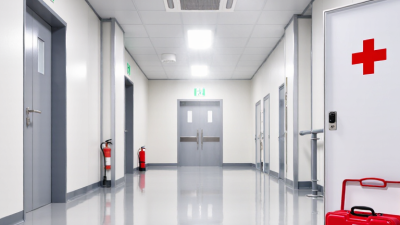
Emergency lighting and exit signs Support safe evacuation Provide illumination or indicate escape routes when normal lighting fails, according to system design. Escape routes, stairways, and exit locations where required by building rules. They do not detect or suppress fires. Keep routes clear and test and maintain the system as required.

How Fire Protection Supports Safety and Regulatory Compliance

Why Are Fire Products Important for Every Business?

Fire protection supports both everyday safety and regulatory compliance. Smoke alarms, extinguishers, emergency lighting, and sprinkler systems can help people respond quickly when danger appears. A clear exit sign above a warehouse door matters when smoke reduces visibility. So does an extinguisher placed where staff can reach it without crossing a hazardous area. Equipment must suit the building, its activities, and the risks on site. Requirements vary by location, so businesses should check applicable fire codes and consult qualified safety professionals. Installing equipment alone does not guarantee compliance.

Regular inspection keeps protection reliable. A blocked sprinkler head, an expired extinguisher, or a dead alarm battery can undermine a carefully planned system. Keep service records, train employees on alarm and evacuation procedures, and make sure escape routes stay clear during busy shifts. People forget details. Short drills can reveal confusing signs or doors that are difficult to open. Plans may look complete on paper but work differently in real conditions.

Tips: Assign a trained person to check visible equipment and report problems. Schedule professional maintenance at required intervals. Keep inspection dates easy to find, and update staff training when layouts or hazards change. Review your plan after a drill; an awkward evacuation is useful feedback, not a reason to dismiss the plan.

How Businesses Select and Maintain Fire Protection Products

How Businesses Select and Maintain Fire Protection Products

Choosing fire protection products starts with a clear picture of workplace risks. A kitchen, warehouse, and server room need different equipment. Consider likely fire types, room layout, staff access, temperature, and dust or moisture exposure.

NFPA’s Fire Loss in the United States During 2022 estimated 1,504,500 fires and $18.1 billion in direct property damage. The figures show why suitable equipment and upkeep matter.

Small details matter. Check product ratings, labels, capacity, and compatibility with the hazards present. Ask a qualified fire protection professional to assess unusual or high-risk areas.

Maintenance keeps equipment ready, not merely visible.

OSHA requires monthly visual inspections and annual maintenance checks for portable fire extinguishers in covered workplaces. Follow equipment instructions and applicable fire codes. Keep clear access, readable labels, and inspection records.

Look for corrosion, damaged seals, missing pins, or pressure gauges outside the marked range. A tidy log can still miss a blocked extinguisher or a unit placed behind stacked cartons, so walk the actual space.

Tips: Assign a trained person to check equipment monthly. Photograph defects, record repairs, and replace units that fail inspection. Revisit the plan after renovations or changes in stored materials. No checklist is perfect. Use it as a prompt for careful observation.